Tuesday, October 23, 2018

Woody Herman by Steve Voce - Part 6

© -Steven Cerra, copyright protected; all rights reserved.


“Nobody does what Woody does as well as he does. If we could only figure out what it is he does . . .”
- Phil Wilson, trombonist, Jazz educator

Woody Herman's main influence on jazz was felt through the effects of the First Herd, the Second Herd and the band of the middle sixties. It is on these bands that I have allowed the emphasis of this book to fall.
- Steve Voce, Jazz author, columnist and broadcaster

STEVE VOCE began writing about jazz in the Melody Maker during the 1950s and it was also at that time [1956] that he became a regular jazz broadcaster for the BBC. He has presented his own weekly radio programme, “Jazz Panorama,” for 37 years.

He has been writing a Jazz Journal International column for almost 60 years.

Here’s the sixth and concluding chapter of Steve’s insightful and illuminating work on the most influential bands of Woody Herman’s illustrious career.

Chapter Six

From 1963 on the Herman hand was more or less continuously in business. There was a constant tide in and out of the hand as musicians left, returned and left again. As we have seen the cost of moving such a large group of men about the world was high, and there were also hidden payouts that Herman had to make over the years as a result of confusion over managerial contracts — often he found himself paying two groups of people for the same service. Always an honourable man with the highest reputation, he was sometimes stricken with less than efficient management, and the resultant financial problems tended to emerge after the perpetrator of them had left. The low point of such matters occurred when the police came to see him backstage at the Newport Jazz festival as the result of his manager's failure to settle a long standing bill with a local bus company.

All these costs added up, and what was left emphasised the historical fact that being a sideman in a big band on the road is not the best paid job. The musicians had to settle their own hotel bills in addition to the expense of running their homes. This led to a high turnover in the ranks, with men constantly quitting when they found jobs at home.

But there were advantages in the shifting personnel. Once more Herman tapped a continuing and remarkable lode of young players, as well as attracting returning veterans like Carl Fontana and Sal Nistico. Trumpeter Bill Byrne joined in late 1963 and has stayed for two decades so far. Youngsters of the finest kind, jazz stars of the future once again proliferated in the ranks — saxophonists Bob Pierson, Frank Vicari, Al Gibbons, Roger .Neumann, Joe Romano were all great tenor soloists and dazzling technicians. Joe Temperley from Scotland had new things to say in his hard driving baritone sax style, part Harry Carney, part Temperley. He was eventually succeeded by the great bebop veteran Cecil Payne. Young Bill Watrous joined the returning Henry Southall and veteran Bob Burgess in the trombones, and the tasteful and inventive pianist Al Dailey joined in 1967. The band starred at that year's Monterey Festival and recorded Bill Holman's prodigious suite Concerto For Herd, a masterpiece spoiled by poor recording quality. Woody played soprano on The Horn of The Fish, another Holman composition. He came to the instrument after hearing John Coltrane play it in a club one night. Next day Woody went out and bought one, quickly mastering the awkward beast — although it had been made easier to play since the days when only Sidney Bechet and Johnny Hodges could cope with it. The Monterey set was recorded for Verve. Woody had left CBS earlier that year and in 1968 signed lor the Chess company, tor whom he appeared on their Cadet label.

Always ready to explore new ideas, the band followed the rush into electronic rhythm sections and the blending of traditional Herman brass and reed sections with electric piano, bass and guitar dismayed some of the older fans but, in the traditional line of Herman philosophy, brought in the young audience to whom the rock beat was the key to unlock the music.

The band recorded a group of pop songs of the day as their first contribution to Cadet, and the album was issued under the title Light My Fire. The Monterey band had by this time, October 1968, given way to an almost completely new line up. Ex-Blakey Messengers pianist John Hicks teamed with drummer Ed Soph in the rhythm section. Soph was to be another recurrent Hermanite. The trumpets blasted McArthur Park and Sal Nistico was wreathed with echo for Hush, the Deep Purple number. Woody featured on a delicate outsider, Impression Of Strayhorn.

Bill Chase returned to the trumpets in time for the next Cadet album, Heavy Exposure when Donny Hathaway on organ and two extra percussionist were added to the band. Nistico and Chase fought their way through it all and Bob Burgess played some good improvisations over the new style rhythm. But the good charts were weighted down by that very heavy section.

Help was at hand, and three remarkable young musicians once more appeared to change the direction the band took — trumpeters Tony Klatka and Bill Stapleton and the brilliant young New Zealander, Alan Broadbent. Broadbent was a most imaginative and skilful arranger and although he didn't stay long as the band's pianist, he contributed a string of fine arrangements to the Herd over the years. He wrote all but one of the arrangements on an album called simply Woody and they included a remarkable fourteen minute reworking of Blues in the Night which displayed Alan, Sal Nistico and Tony Klatka as soloists.

By the time Woody signed for the Fantasy label in 1972, Harold Danko had charge of the electric piano and Tom Anastas, who had been with the band on baritone in the sixties, returned. Greg Herbert and Frank Tiberi were on tenors, and both were to be major soloists in the ensuing years, with Tiberi taking charge of Woody's instruments (Woody rarely warms up and Frank's job, in addition to keeping the horns in good repair, included wetting the reeds and handing the horns to Woody as he walked on stage). The first album was The Raven Speaks mixing pop music with jazz, and producing traditional blues shout ups and a reworking of Herbie Hancock's Watermelon Man which for some reason became entitled Sandia Chicano.

The second album for Fantasy, the 1973 Giant Steps, saw the band firmly back on a jazz path with a set of dazzling arrangements by Stapleton, Broadbent and Klatka. Jim Pugh, a young trombonist in the best Herman tradition, played lead and took poised and supple solos, while Andy Laverne took over the keyboards. Laverne brought a new concept to the electronics, widening the sound colours without compromising the music, and at last the rhythm meshed properly with the horns. He lashed the band along on Chick Corea's La Fiesta, which also used Greg Herbert on piccolo along with Tiberi on tenor and Woody's soprano. Pugh played a thoughtful Meaning Of The Blues and Broadbent had one of his most inventive compositions recorded in BeBop And Roses, an imposing exercise in retrospection. The title track, originally a juggernaut exercise for composer John Coltrane, emerged as a chase for Tiberi and Herbert, finally confirming their abilities as outstanding soloists.

Coltrane was represented again on the Thundering Herd album from 1974 when Klatka arranged the haunting Naima and Stapleton did Trane's Lazy Bird. Klatka also wrote the fine Blues For Poland recorded at this session and featuring in addition to Laverne and the composer, the excellent Czech baritone saxist Jan Konopasek.

Poland continued to attract Woody and he returned there in 1976 with a band crammed with prodigious stars. Pugh, Tiberi and Byrne were still there, with Tiberi now playing bassoon to add to tenor and flute. Alongside him was tenorist Gary Anderson, who wrote some formidable charts for the library. A new source of sidemen suddenly opened up. In 1975 Herman had played a jazz festival in Wichita and had heard a trio composed of students from the North Texas State University. This comprised Lyle Mays on keyboards, Kirby Stewart on bass and drummer Steve Houghton. Woody was most impressed and, since he had decided he needed to change the whole attitude of the rhythm section in the band, he took the trio on en bloc.

'It turned out to be a good thing for the school,' bassist Marc Johnson told the author. 'Whenever any of the guys left Woody's rhythm section, they would recommend someone else from North Texas, so we had an open channel to the rhythm section.'

Marc himself eventually joined Woody. 'It was another gradient in my career, because the level of consistency which was demanded of you was quite remarkable. Later, when I joined the Bill Evans Trio, I found the experience with Woody indispensable. I couldn't have done the gig with Bill if it hadn't been for that. Woody's book is so diverse. There are so many styles and idioms that you're asked to play, and to play well, that it's a real challenge. You had to master swing from the forties and the contemporary rock beat and at the same time bend to fit in with such a large group of musicians.'

Back from Europe, the band returned to Carnegie Hall on 20 November 1976 to celebrate Woody's 40th anniversary as a bandleader. It had taken Woody and his manager Hermie Dressel three months to organise the concert, and a representative selection of the hundreds of ex Herdsmen appeared along with the contemporary band. Nat Pierce sat in for his chart of Apple Honey, joined by Flip Phillips, Jim Pugh, Phil Wilson, Pete Candoli and Don Lamond, and backed Flip on Sweet And Lovely. The Four Brothers were Jimmy Giuffre, Stan Getz, Al Cohn and Zoot Sims, and Mary Ann McCall was there to recreate Wrap Your Troubles In Dreams with Nat. Bill Harris was commemorated as Jim Pugh played Everywhere and Phil Wilson Bijou. Getz was as elegant as ever with Early Autumn, Blue Serge and Blue Getz Blues with Ralph Burns on piano for Autumn. Cohn, Giuffre and Getz were backed by pianist Jimmy Rowles on Cousins and the Candoli brothers shared the Klatka chart of Brotherhood Of Man. The young Herd was on good form, and contributed two more recent hits, Broadbent's Blues In The Night chart and Gary Anderson's rock-propelled version of Copeland's Fanfare for The Common Man, even more inspiring in Woody's version, dare it be said, than in Copeland's original! This was an emotional occasion, as one might imagine, and fortunately it was captured for posterity on record. Woody was so carried away that he even forgot to play Woodchopper's Ball.

Four months later, in March 1977, came a dreadful contrast to the anniversary. Woody was driving through Kansas when he fell asleep at the wheel and collided with an oncoming car. His injuries were so serious that there were fears for his life, and it seemed out of the question that he would ever lead the band again. Apart from injuries to his body, one of his legs was horribly mangled. As the anxious weeks went by he showed his resilience and his life was no longer in danger. When the weeks turned to months his determination to pull through had him moving gingerly with the help of a walker, and then, incredibly, in late 1977, he was not only back with the band, but the walker became a familiar sight all over Europe as he led the band on tour.

At the beginning of 1978 the band recorded for Century with a galaxy of guest arrangers including Chick Corea, Vic Feldman, Ralph Burns and regulars Stapleton, Anderson and Broadbent, and at the same time cut an album of ballads featuring Flip Phillips on tenor with an added string section.

By now the Monterey Festival was almost synonymous with Herman's name. The roots of the band had really been on the California coast since Woody made his home there in the forties. Los Angeles was full of off-the-road Herdsmen — Nat Pierce, Bill Berry, Bill Perkins, Shorty Rogers, the Candolis, and in addition there was a pool of brilliant young musicians who worked in the Hollywood studios.

Big bands of a very high standard proliferated in the city, led by Frankie Capp and Nat Pierce, Bill Berry, Roger Neumann, Bill Holman, Bob Florence and many others. But these were static, not touring bands like the Herd.

Up north in Concord, wealthy entrepreneur Carl Jefferson had been developing a fine jazz record label as well as his flourishing automobile business. He had issued albums by the best of the West Coast musicians, restricting himself firstly to small groups. But he was anxious to start a big band catalogue, and was fortunate to find the Frankie Capp-Nat Pierce Juggernaut and the Bill Berry LA Big Band more or less on his doorstep. His issues by these bands were immensely successful, with Juggernaut's first album topping the polls in Europe for many months.

To the Berry and Capp-Pierce bands it must have seemed that they were on their way to international status. But fate had it that Nat's old boss had left Fantasy and didn't have a record company. Jefferson moved in surely to begin a lasting and, in Herman terms, very important association between Woody and Concord. Berry and Capp-Pierce were caught in the backwash and there were no more albums from them as Woody's became the house band. Jefferson was obviously determined to promote his new star properly and the albums the band made added top guest stars, and Woody fronted other groups made up from local stars or former sidemen. With no expense spared in production and the band maintaining its normal high standards the albums could hardly fail.

The first one was done on 15 September 1979 at Monterey. In a remarkable example of hedging his bet, Jefferson recorded Getz, Dizzy Gillespie, Slide Hampton and Woody Shaw with the band with Getz as bewitching as ever in the Broadbent chart What Are You Doing The Rest Of Your Life? But the band was not outshone by the guests, and Frank Tiberi had another Coltrane tune, Countdown, in an arrangement with Frank and Bob Belden on tenors. Dave Lalama, the band's pianist, also followed in the tradition of pianist-arrangers and featured with Woody and baritone Gary Smulyan on Duke's I Got It Bad, which Dave had arranged. Slide Hampton arranged two of Dizzy's compositions, Woody 'n' You and Manteca to feature the composer and guests along with drummer Ed Soph.

While the recording side of things went well, the touring band business was very much in decline as the eighties began and even the perennial Count Basie, by now doyen of the bandleaders, was feeling the pinch. As the 'name' leaders of the sixties and seventies parked their buses, Woody cleverly switched the emphasis of the band's work to schools and from the late seventies on as much as 80 per cent was in teaching clinics at colleges throughout America. Woody had initially been persuaded into this field by Stan Kenton, who so imaginatively developed the idea of a jazz clinic. Woody quickly grew to love this kind of work and found that it was good for both the students and the men in the band. It was also financially rewarding and was vital in keeping the Herd together. At that same 1979 Monterey Festival he led a contingent from the California All-Star High School band. A portfolio of 27 of the Herd's arrangements was produced for use in the clinics.

But still costs rose inexorably. The band had to earn $18,000 a week just to keep its head above water, and although the sidemen were making between $300 and $450 a week, expenses on the road had to come out of that.

Much of the strain was taken off Woody by his expert manager Hermie Dressel, and Bill Byrne took care of the road manager's headaches. Woody paced himself sensibly and tried to keep the overnight hops to under 400 miles. He still had pain from his accident, although he claimed to have got used to the clank of the steel rod supporting the various fractures in his leg.

With some fanfare the Herman band took over a club in New Orleans in which Woody had an interest. The idea was for the band to be permanently resident there, and indeed the Chopper was justly honoured by being made King Of The Zulus at the Mardi Gras celebrations. But the venture began as the world recession deepened, and the idea was not a success.

Back on the West Coast, Jefferson pressed ahead with his ideas for Woody, and shifted his outdoor recordings to his own Concord Festival. In 1981 he brought him back to head a group which included two former Herman stars, Jake Hanna and Dave McKenna along with Dick Johnson, Cal Tjader and youngsters Scott Hamilton, Cal Collins, Warren Vache and Bob Maize. Oddly enough the presence of Japanese clarinettist Eiji Kitamura on this session emphasised the heat and potency of Herman's playing and showed once again what a fine jazz soloist he was and is. In July of that year Woody flew to New York for a session with half a dozen old timers from the Herd. This was a four tenor front line with Al Cohn, Sal Nistico, Bill Perkins, Flip Phillips, John Bunch, George Duvivier and Don Lamond. The music was vigorous and energetic with a tasteful selection of early hits including Tiny's Blues, Four Others, Not Really the Blues and The Goof And I, along with a fine new Cohn composition, Woody's Lament. In such bustling company Woody restricted himself to playing alto on Tenderly. It was notable, as was confirmed in succeeding years, that Flip Phillips's playing was getting better and better.

Stan Getz and Al Cohn returned to guest with the band at the 1982 Concord Festival, and by now there was another new and splendid pianist/arranger, John Oddo, who wrote four of the compositions on the subsequent Concord album and arranged most of the others. Bill Holman contributed Midnight Run which featured Woody, Bill Stapleton on flugelhorn and a new ebullient character on trumpet, George Rabbai. Bill also wrote the band arrangement of The Dolphin to showcase Getz. Lemon Drop reappeared after many years with Rabbai singing the bop vocal and Cohn particularly on form. New names and good soloists abounded as usual — John Fedchock on trombone, Randy Russell and Bill Ross on tenors and Oddo himself at the piano. The album received a Grammy nomination.

In September 1982 the band toured Japan. Stapleton was replaced by Bill Byrne who had missed the Concord Festival, as indeed had Frank Tiberi who now came back to replace Russell. The band had always been so popular in Japan that its presence on its own was enough to fill the various halls, but Al Cohn, Med Flory, Sal Nistico and Flip Phillips had been added to the tour as guests, and the success was overwhelming. The Concord album which resulted showed the usual exotic mixture of titles, with standards like Four Brothers and Rader's Greasy Sack Blues alongside Chick Corea's Crystal Silence, Flip's The Claw (for the tenors) and Oddo's chart of Rockin’ Chair with a good humoured vocal duet between George Rabbai and Woody and space for Rabbai to tread Armstrong ground with his trumpet solo.

Back in the States the band recorded for Concord with Rosemary Clooney, another of the label's big successes. John Oddo wrote all of the arrangements save one, and the session offered a fine chance to hear the quality of the section work. It seems likely that Oddo is to tread the paths made by Ralph Burns and Nat Pierce, because his writing for the band has great substance and depth. Miss Clooney is fortunate in having such support, as an ear bent to the arrangement of Summer Knows will demonstrate.

The big band was working mainly out West as 1984 drew to a close, and Woody began 1985 by taking a small group of alumni into New York's St Regis Hotel. Among the names he planned to use were Carl Fontana, John Bunch, Al Cohn, Flip Phillips and Jake Hanna.

Then disaster struck. It had been discovered that there were huge tax irregularities in the band's affairs of the middle sixties, at a time when the manager Abe Turchen looked after the money. It transpired that Turchen had set money aside for payment to the Internal Revenue Service (including the tax due from the individual musicians) and instead of paying it over had gambled it all away. By the time all this came to light Turchen had died and Woody was held responsible for the full amount and was in grave danger of being sent to jail. The I.R.S. has been relentless in pursuing the old man for the full amount and he has to keep working to pay them or risk having all his possessions seized (there is currently a rumour that the Service is trying to seize the Hollywood home that Woody and Charlotte bought from Humphrey Bogart and Lauren Bacall back in the forties).

It is a sad commentary on the American way of doing things that an honourable man should be hounded and have his last years over-shadowed by reprisals for something that was not of his doing. Surely there must be someone in authority who could write the matter off and leave Woody to enjoy a peaceful old age.

Although   he was obviously  suffering from severe exhaustion Woody toured Europe in the summer of 1985 with a magnificent group of all stars: Harry Edison on trumpet, Buddy Tate and Al Cohn on tenors, John Bunch on piano, bassist Steve Wallace and drummer Jake Hanna. The music was magnificent with Cohn and Tate particularly striking sparks from each other. Woody, not a hundred per cent fit, had lost some of his fluency on clarinet, but he showed on I've Got The World On A String his vocal abilities were little impaired—the breakneck Caldonia would have thrown a Jon Hendricks, never mind Woody! The musicians in the band showed great concern for the leader and Buddy Tale in particular took care of Woody and his affairs.

Woody had a big band ready for the beginning of 1986, the year of his 50th anniversary as a bandleader. The new library drew heavily on Ellington material and the new Herd was every bit as skilled and effective as the earlier ones. It was notable that the old man's clarinet playing had recovered from the frailly that had been noticeable in his work at the 1985 Nice Jazz Festival. Although it was not to go away and would remain with him for life, he seemed to be philosophical about the burden of his tax problems.

Woody Herman and his Herds have conquered the hemispheres, and his bands are as popular throughout Asia as they are in Europe, as much in demand to work in Los Angeles as in New York. Herman goes on and claims, as he says in the letter to the author printed elsewhere in this book, that he is too old to retire. There is an old adage that if you always want to look young, you should hang around with very old people. Herman has achieved that end by reversing the formula. He always works with young people. One of the greatest achievements of any Herd is the potent dispensation of energy. Energy comes best from young people, but with the experience of the old coach to guide them, it is always deployed to maximum effect.

Of course, you must have the right young people, and one of Herman's talents is in spotting potential greatness in a player before anyone else does (Charlie Parker had this ability as instanced by the way in which he selected the apparently musically incoherent Miles Davis for his group — Parker knew then about Miles what we all know now). Another important quality is Woody's unerring ability to edit a performance on the stand. He knows exactly when to cut a soloist off or, if the man is in full flight and likely to add something constructive, when to let him take an extra couple of choruses without destroying the balance of the arrangement. He looks forward, hates to look back, and if you ask him which was the best band he ever had he'll answer 'The next one'.

On the face of it the formula is fairly simple. Take a team of good soloists, add some good section leaders, a rhythm section with roots, some good writers and a player-coach. Anyone could do it.

Or could they? Phil Wilson's thought is a wise one.

'Nobody does what Woody does as well as he does. If we could only figure out what it is he does . . .'”

Woody Herman died in 1987.


Monday, October 22, 2018

Mr. P.C. - Paul Chambers

© -  Steven A. Cerra, copyright protected; all rights reserved.


Over the years, it seems to me that so much attention has been paid to Jimmy Blanton, Oscar Pettiford, Ray Brown, Charles Mingus, and Scott LaFaro for altering the Jazz bass landscape that Paul Chambers’ contributions in this regard have often been overlooked.

Perhaps this is in part due to the fact that although Paul appeared on countless modern Jazz recordings from the mid-1950’s until his death in 1969, many of them of the highest significance as trend setters or statement makers in the music, he didn’t record that much or that often as a leader

Most of what he did record under his own name was issued between 1956 and 1960, during Paul’s 9 year tenure with Miles Davis [1955-1963], and while all of them are deserving of greater attention, I thought I’d highlight four to provide a basis for this blog feature.

Each of the four recordings is complimented by excellent insert notes which reveal a great deal about Paul’s background and the musicians and music who feature on these LPs.

Let’s start with Leonard Feather’s always masterful and well-written annotations to Whims of Chambers: Paul Chamber Sextet [Blue Note 37647; CDP 7243 8 37647 2 3] which was recorded on September 21, 1956.
Given his background, I especially enjoy it when Leonard breaks down what’s going on in the music in terms of song structure, keys, chord progressions, meters, et al.


“WHO shall silence all the airs and madrigals that whisper softness in chambers?”
—John Milton

Unless Milton was uncannily prescient when he quilled the above line it is unlikely that he was referring specifically to Paul Chambers. Nor were the airs and madrigals he had in mind as complex or as stimulating as Whims of Chambers or Tale of the Fingers. But Milton's question seems opposite, for on these sides we find not only softness and subtlety in Chambers but also a strong, virile instrumental voice that cannot and shall not be silenced; a sound that must and will command attention during the coming years wherever jazz is heard.

The role of the jazz bass player was largely a metronomic assignment until, in 1939, Jimmy Blanton's flight through time and space, when he alighted in the Duke Ellington airport, transformed the entire scene. Since that time scores of talented men have put hundreds of fingers to work proving that Blanton was right; that the bass is capable of melodic invention and rhythmic variety unknown before his day.

Oscar Pettiford is the man generally assumed to have inherited the Blanton mantle, though Ray Brown, Red Mitchell, Percy Heath and a few more have exhibited formidable prowess and extraordinary heights of inspiration. And now, to join the handful of giants of whom one can speak in the same breath as these few, the inner jazz circle has welcomed Paul Laurence Dunbar Chambers Jr.

Among other achievements Chambers can claim to be the first jazzman to earn dual renown as an arco and pizzicato bass soloist. Born in Pittsburgh April 22, 1935, he entered music through a windy side entrance when he and several schoolmates were fingered to take up music and the baritone horn became his assignment. Later he took up the tuba. "I got along pretty well, but it's quite a job to carry it around in those long parades, and I didn't like the instrument that much." [Besides, you can't bow a tuba.) So Paul became a string bassist, around 1949 in Detroit, where he had been living for a while since the death of his mother.

Playing his first gig at one of the little bars in the Hastings Street area, he was soon doing club jobs with Thad Jones, Barry Harris and others who have since effected the Detroit-New York junction. His formal bass training got going in earnest in 1952, when he began taking lessons with a bassist in the Detroit Symphony. Paul did some "classical" work himself, with a group called the Detroit String Band that was, in effect, a rehearsal symphony orchestra. Studying at Cass Tech, off and on from 1952 to '55, he played in Cass' own symphony, and in various other student groups, one of which had him blowing baritone sax. By the time he left for New York at the invitation of [tenor saxophonist] Paul Quinichette, he had absorbed a working knowledge of several armfuls of instruments.

The Quinichette job was Paul's first time on the road. Since then he has worked with Benny Green's combo; at the Bohemia in New York with George Wellington's quintet; at the Embers and Birdland with Joe Roland; and on several jobs with the since-split trombone twins, JJ. Johnson and Kai Winding. For the past 18 months most of his working hours have been devoted to the furnishing of a solid understructure for Miles Davis, and it was with the help of two colleagues from Miles' combo (John Coltrane and Philly Joe Jones) that the present LP gained much of its power and conviction.

Paul was about 15 when he started to listen to Bird and Bud, his first jazz influences. Oscar Pettiford and Ray Brown, the first bassists he admired, were followed in his book by Percy Heath, Milton Hinton and Wendell Marshall for their rhythm section work,Charles Mingus and George Duvivier for their technical powers and for their efforts in broadening the scope of jazz bass. Blanton, of course, is his all-time favorite, the perennial poll winner in his ballot.

Speaking of polls, a review of the last Down Beat critics' referendum shows that Paul won in the New Star bassist category by a comfortable margin with 85 points. (This means that 8 1/2 critics voted for him — one critic, initials L.F., betrayed a split personality.) And now, with that honor in the bag, Paul has something new to crow about: his first Blue Note LP as a leader.

Donald Byrd, whose horn plays a meaty role in the sextet, is a 24-year-old Detroiter who, like Paul, studied at Cass Tech. and worked in the Wallington Quintet; for a while he was a Messenger in Art Blakey's service.

John Coltrane, a native of Hamlet, N.C., is 30, was raised in Philadelphia and has a background of assignments in rhythm and blues groups, Earl Bostic, Eddie Vinson, as well as with the jazz outfits of Johnny Hodges, Gillespie, Miles.

Paul's partners in the rhythm team include Horace Silver, Blue Note's adopted son; Kenny Burrell, another Detroiter and recent addition to the Blue Note family (his own LP is 1523), and the indomitable Philadelphia Joseph Jones, Blue Note alumnus of dates with Elmo Hope, Lou Donaldson et. al.

Omicron, named by Donald Byrd for a Greek letter but framed along modern American lines with a Woody 'n You chassis, has a fascinating introduction and coda written in 6/8 as well as solo expenses by Silver, Burrell and the horns, and some estimable Chambers pizzicato. Whims of Chambers is a charming blues played by Paul and Kenny in octave unison, dedicated to the rhythm section, of which all four members acquit themselves superbly on the solo passages. Coltrane's Nita has an interesting pattern; at the 23rd measure of each chorus it goes into six bars of suspended rhythm followed by a two-bar break. When the unison horns take over after the drum solo you may, on first hearing, wonder how they knew when to come in; which only proves that Philly Joe cannot be fully dug at one hearing.

We Six has Coltrane showing his big, bulging tone on a minor Byrd theme. Coltrane is the living reminder of the existence of more than one way to get a big sound on tenor, for at no time, in tone or in style, could he be mistaken for a disciple of the Coleman Hawkins school. Paul has one of his amazingly fluent bowed solos here, after which Kenny and Horace both get in a good smooth groove.

Dear Ann, after a pretty chord-style guitar intro, shows Byrd in the medium-slow theme, named for Mrs. Chambers (Paul, married four years, has produced Eric, 3 and Renee, 2 and expects the former to start climbing up the bass any day now for his first solo chorus.) Dear Ann shows the Chambers pizzicato at its most agile and fertile.

Tale of the Fingers is our favorite track, if we may be personal. Based on the Strike Up the Band chord sequence, it opens with four choruses of bowed bass, and never before have there been 128 measures even remotely like this. Horace is in there wailing too, and later Philly Joe trades some fours with "The Bow" before Paul takes over solo for the finale, but frankly, it is difficult to recall anything that happens after those first choruses, because anything that followed them would necessarily have been anticlimactic. I would call Chambers a gas, except that it is depressing to think about gas chambers; so perhaps a bolder word may be permitted. Chambers, as his fellow-musicians have been saying ever since they heard his very first solo, is a bitch.

Just for the Love, a Coltrane line, is built in 12-bar sequences but uses changes somewhat removed from the conventional blues routine. Tenor, piano, trumpet, guitar, pizzicato bass and drums (i.e. the entire sextet) can be heard individually in that order.

It may not be long before Pittsburgh and Detroit start a fight about which city can claim Paul Chambers as a hometown boy. He's a valuable enough man on anyone's team to generate just such a squabble and these sides. I'm sure you'll agree, offer the most eloquent evidence to date.”
—Leonard Feather


Earlier in 1956, Paul had been on The Left Coast and recorded one of the dozen LPs ever issued on Herbert Kimmel’s Jazz West label. Entitled Chambers Music [JWLP: 7], here are Herb’s notes to that session. It’s particularly great fun to read about his reference to “Philadelphia Joe Jones” more commonly known as Philly Joe Jones or even Philly JJ.


CHAMBERS' MUSIC  [JAZZ WEST JWLP: 7]
A JAZZ DELEGATION FROM THE EAST
PAUL CHAMBERS, bass; PHILADELPHIA JOE JONES, drums JOHN COLTRANE, tenor saw; KENNY DREW, piano

“When he was a teenager in Detroit, Paul Chambers was called "Stringbean" by his friends. Paul didn't tell me this himself, it came out by accident in a conversation which took place between sets at San Francisco's Blackhawk when one of Chambers' Detroit pals dropped in to chat about old times. Of course, if you're only twenty years old like Paul, "old times" means a few years ago. Each year is like a century, considering all the activity it spans.
The "stringbean" appellation seems to fit him even now. Where other bass plays have to peek around the sides of their giant fiddles to be seen, Paul finds it easier to look down over the top. His height undoubtedly is an asset for a musician who plays so large an instrument. This is especially noticeable when Paul plays a solo with his bow, holding it as easily as a toothpick and wielding it as delicately as a rapier. This ability to bow convincing jazz is what really distinguishes Paul Chambers from the rest of the field of plucking bass players. While the ability to play pizzicato bass swingingly is not to be sneezed at, the added attraction of a solo which offers the listener an opportunity to hear appropriately placed legato notes and figures along with the clipped ones makes Chambers' work an absolute must for jazz fans.

Paul's background is already well known. He placed sixteenth in Down Beat's poll last year (1955). He has worked with Paul Quinichette's group in several cities (including a stop at New York's Birdland); also, he has worked with Benny Green and Sonny Stitt. His most recent job — which brought him to the west coast — is with the Miles Davis Quintet.

Philadelphia Joe Jones:
There is unanimous agreement among Los Angeles jazz citizens that Joe Jones is the best jazz drummer to visit this city since Max Roach was here last year. Since his first appearance with Tadd Dameron at the Royal Roost in New York (in the jazz-history-making year of 1946), he has worked with many of the great stars of the past ten years: Ben Webster, Kai Winding, J.J., Sonny Stitt, and, most recently, Miles Davis. His role in the Davis band is that of swinging anchor for Miles' wandering horn; the competence with which he performs this role in more than slightly responsible for Miles' recent resurgence.

John Coltrane:
“Train" first played big-time jazz with Dizzy Gillespie in 1950. Since then he has worked with several New York and Philadelphia groups; his tenor saxophone currently blends into Miles Davis' Quintet. His work in the Davis group is noteworthy for the many driving solos he contributes and for his ability to obtain a faraway, whispery sound at times, complementing the detachment of Miles' horn very effectively.

Kenny Drew:
Kenny's most recent album on jazz:west (JWLP-4) with [alto saxophonist] Joe Maini is the fourth LP under the Drew name. Also, his quintet and arrangements can be heard supporting the vocals of Jane Fielding in another jazz:west album (JWLP-5). Before these recent efforts Kenny worked with Buddy DeFranco, Dexter Gordon, Benny Carter, Sonny Criss, the late Wardell Gray, and other West Coast stars. Currently, he is traveling with Dinah Washington's jazz troupe.”
— Herbert Kimmel

This music was recorded in March of 1956 at Western Recorders in Hollywood. Don Blake was the engineer. In order to pick up the complete range of Paul Chambers' bass, two microphones were employed for that instrument alone. One was attached to the tail-piece of the instrument, while the other was placed immediately in front of the sound holes. The following tunes were recorded:
TRACK:
1.  DEXTERITY {Charlie Parker)                                              6:45
2.  STABLEMATES (Benny Golson)                                          5:53
3.  EASY TO LOVE (Cole Porter)                                             3:52
4.  VISITATION (Paul Chambers)                                            4:54
5. JOHN PAUL JONES (John Coltrane)                                 6:54
6.  EASTBOUND (Kenny Drew)                                                4:21
Photographs taken at the recording session by William Claxton. The entire production of this album was supervised by Herbert Kimmel.
JAZZ: WEST Records, 535Z West Pico Boulevard, Los Angeles 19, California
Copyright 1956 by Jazz: West Records


A few years after this native Detroiter recorded in New York and Los Angeles, respectively, he made his next two recordings in Chicago for the VeeJay, a Chicago-based label that was important because it gave a number of young musicians a platform to record their music before they went on to greater fame and fortune including Paul, Lee Morgan, and Wayne Shorter. It also supported the locally based Jazz groups like the MJ2+3 [headed up by drummer Walter Perkins and pianist Harold Maybern], [alto saxophonist] Frank Strozier and [pianists] Ramsey Lewis and Eddie Higgins.


Fortunately these VeeJay recordings.COMPILED & REISSUED ON CD BY JORDI PUJOL (FRESH SOUND RECORDS)

1st Bassman, as the VJ-004 catalogue number implies  was one of the earliest issues for the label and its features Paul along with a terrific line-up of Tommy Turrentine on trumpet, Curtis Fuller on trombone, Yusef Lateef on tenor sax with Wynton Kelly on piano and Lex Humphries on drums rounding out the rhythm section. The six tracks that comprise the album are all original compositions by Yusef.

The notes are by Barbara Gardner a Chicago-based writer just making her mark with contributions to Downbeat at this time.

“Every Chamber of Commerce in America believes it has something to crow about in its city. Pittsburgh has steel, Milwaukee has beer. Grinders Switch has Minnie Pearl and Detroit shouts about its cars. Yet Detroit, each year pours into the mainstream of American culture an unsung export - the emerging, revitalizing jazz musician. The flow is steady, reliable and unpretentious and Detroit accepts it as a common, secondary product. Yet, there has been nothing either common or secondary about the national and world acceptance of Detroit's jazzmen and their contribution towards keeping jazz a forward-moving, progressive art form. In 1959 and early 1960 most of the leading big bands and combos had at least one Detro-ite in the ranks. Count Basie, Miles Davis, the Modern Jazz Quartet, the Jazztet and the Adderley Quintet, to name a few, all owed a debt to Detroit.

The entire musically prolific Jones family is a Detroit contribution. Brothers pianist Hank, drummer Elvin, and trumpeter Thad are among the jazzmen most in demand. Bernard McKinney, trombonist; tenor man Yusef Lateef; trombonist Curtis Fuller; young trumpeter Donald Byrd; the Adderley pianist Barry Harris; Alvin Jackson and his brother, vibes player, Milt - all these active musicians are products from the jazz assembly line in the Motor City.
And then there is Paul Chambers. Had Detroit nothing more to its credit than the musical spawning and nursing of Chambers, then the contribution would have been a worthy one.

"The bass has been buried in the rhythm section of jazz groups too long. It is high time someone devoted his career to the great melodic and emotional potential of this instrument." These words must have been uttered by the often-quoted Mr. Somebody Sometimes and he might just as well have directed his wish to Paul Chambers, for in 1954, Chambers picked up this specific challenge and since that time, the jazz bass instrument has never been the same.

As a solid, rock-rooted swinger, Paul Chambers is unquestionably to be regarded in awe and wonder. He is Foundation Personified in the rhythm section; keeper of the beat; coordinator of the pulsating background to which the soloists vibrate.

As a soloist, he is imaginative and adventurous. Never satisfied to merely "walk" and "stroll" (commendable attributes when well executed) Chambers urges his bass to skip and gallop unafraid on foreign soil.

It is to be expected that Chambers should record an album of original tunes. The moods, effects and interpretations are interesting and varied. This album contains elements of departure and experimentation. Yet there is enough of the familiar swinger still remaining.

If you have ever wondered what Paul Chambers would do if he were free to choose his men and his tunes, you have your first answer here.”
— BARBARA J  GARDNER


Paul Chambers - GO! [VeeJay VJ-017]COMPILED & REISSUED on CD BY JORDI PUJOL (FRESH SOUND RECORDS) is graced with the following notes by Dick Martin, Station WWL, New Orleans


"The most talented new bassist to enter the jazz scene in recent years." That is the opinion of critics and jazz men alike - and offered by the time Paul Chambers was barely twenty-one. Born Paul Laddwrence Dunbar Chambers, Jr. in Pittsburgh, in 1935, he started his professional career when only fourteen, playing baritone horn and tuba around Detroit with Kenny Burrell and other combos

He left Detroit with "The Vice-Prez" - Paul Quinichette, and worked with him for about eight months. Subsequently, in 1955, he was heard with the combos of Benny Green, Joe Roland, J J Johnson and Kai Winding, George Wellington, and Miles Davis - with whom he played through most of 1956. His favorite bassists are ex-Ellingtonian the late Jimmy Blanton and cellist-bassist Oscar Pettiford.

AJto saxophonist Julian "Cannonball" Adderley is also proficient on tenor, clarinet, flute and trumpet. Such versatility between reed and brass instruments, though not too common, lies in the fact that he studied brass and reed instruments in high school in Tallahassee from 1944 to 1948... at which time he formed his first jazz group. Upon graduation he become band director at Dillard High School in Ft. lauderdale. During this time (from 1948-1950) he also had his own jazz group in south Florida. He become leader of the 36th Army Dance Band while serving in the Army from 1950-'52; led another Army band at Ft. Knox from '52-'53. "Cannonball" first attracted attention in the musical "pro" circuit when he sat in with Oscar Pettiford at Cafe Bohemia in New York City in the summer of 1955; and almost immediately was signed by one of the major jazz labels. In the spring of '56 he and his brother Nat started touring with their own combo.

The nickname "Cannonball" evolved from "Cannibal" a name given him by high school colleagues in tribute to his vast eating capacity. His favorite alto-saxophonists ore the late Charlie Parker and Benny Carter so it's not surprising that he sounds much like the former on up-tempo numbers and like Carter on ballads. With his advent on the professional scene he was considered the outstanding new alto saxophonist by musicians and critics alike; and since then has gleaned a following that is legion.

On the four selections in which trumpet was used the nod went to Freddie Hubbard a young man from Indianapolis, Indiana who is currently working with Sonny Rollins... and who, for the past few months, has enjoyed the acceptance of John Coltrane as well.

Pianist Wynton Kelly was brought to this country from his native Jamaica at the age of four He was playing professionally when only eleven; and when he was fifteen went on a Caribbean lour with the Ray Abrams Octet. He worked mostly in the rhythm and blues field for the next few years; and was accompanist to Dinah Washington for three years. He was a member of the Dizzy Gillespie combo when only twenty-one years old. His musical versatility is demonstrated by the fact that he not only plays mostly modern piano, but has also played organ for Sunday mass in his church in Brooklyn.

The talented "Philly Joe" Jones is the drummer on "Awful Mean"; the balance of the drumming chores fell to Jimmy Cobb who has also worked with Dinah Washington, Cannonball's old group, and with Miles Davis.

In "AWFUL MEAN" Philly Joe's ominous drum roll brings on the four-man firing squad for this moderate-tempoed blues, the pace for which is set by Chambers' bass. The melody, as laid down by "Cannonball" in the first chorus, hits the musical mark with the devastation of Birdshot. The mood is funky; and solos by Wynton Kelly, then Adderley, are followed by the leader's 'coup de grace', using a bow rather than the traditional 45 just to make sure, Philly Joe adds some tasty sharpshooting of his own.

After a unison first chorus on the old favorite "JUST FRIENDS", Hubbard, Kelly, Adderley and Chambers solo in that order for two choruses apiece. Paul's agility in bowing on this up-tempo swinger is remarkable; and Jimmy Cobb drives and punctuates well throughout One has the feeling that here are close "aficionados," rather than "just friends"...

"JULIE ANN" (named for a daughter in the Adderley household, perhaps?] is a fast waltz, but often with a cross-rhythm 4/4 feel to it. Paul is pizzicato on this one, soloing first followed by Freddie and the composer in turn. It's a pretty melody which everyone apparently enjoyed playing as evidenced by a fade at the end, rather than a definite close-out.

"THERE IS NO GREATER LOVE" finds the quartet in a relaxed mood and at a moderate tempo; and if you have eyes to dance about now, this is your meat. Paul walks his bass with authority.

Despite the boppish syncopation reminiscent of the late '40s of the first and ride-out choruses, the blend of Hubbard's muted trumpet and Cannonball's alto in lower register than when he is soloing brings to mind the precision and sound of another group under the aegis of a stellar bass man of twenty years or so ago, John Kirby. The phrasing of Charlie Shavers and Russell Procope in the Kirby group was less abrupt, of course, but the sound and attack were most similar to what we hear in Paul's composition, "EASE IT."
Gershwin's 1930 hit "I GOT RHYTHM" (from the show "Girl Crazy'} is a flag-waving finale with a pace that brings to bear on the dexterity and fluid drive of all concerned. Jimmy Cobb boots things along and solos more extensively than heretofore.”

"Moon Glow with Martin", Dick Martin, Station WWL, New Orleans
Recording Supervised by SID McCOY.

As of this writing, the editorial staff at JazzProfiles is awaiting a copy of Rob Palmer’s Mr. P.C.: The Life and Music of Paul Chambers from Equinox Press. A future review of it will form the second part of our feature on Paul Chambers.


Sunday, October 21, 2018

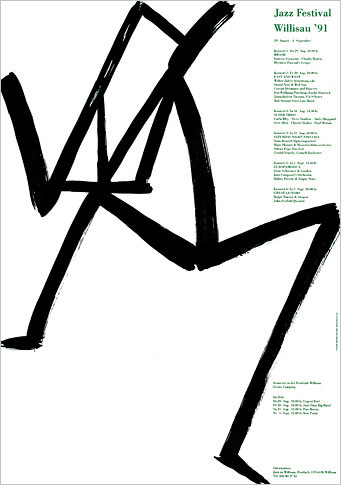
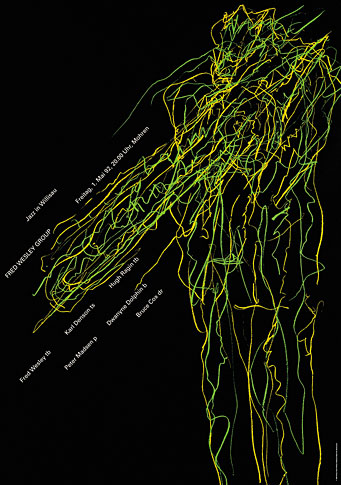
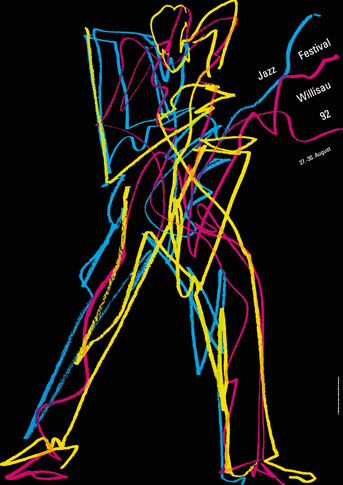
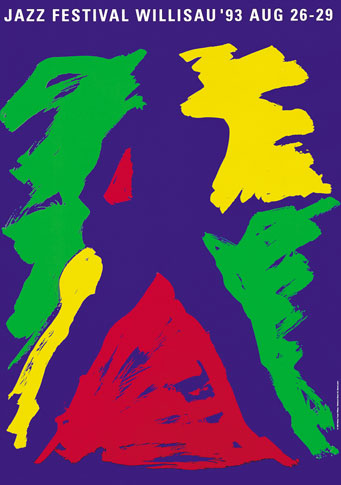
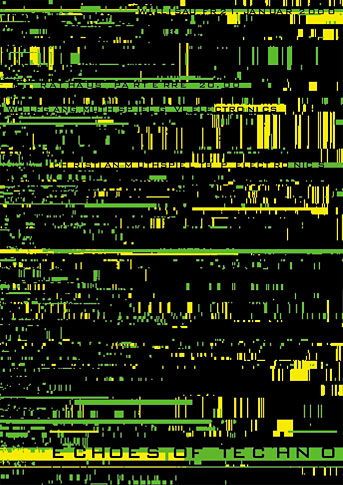
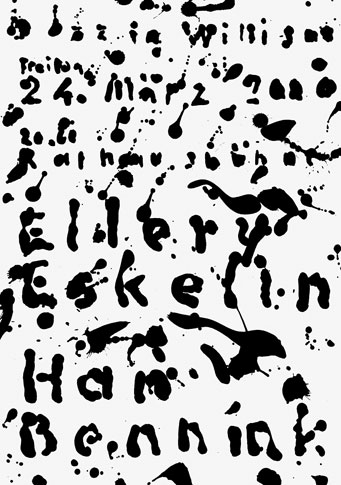
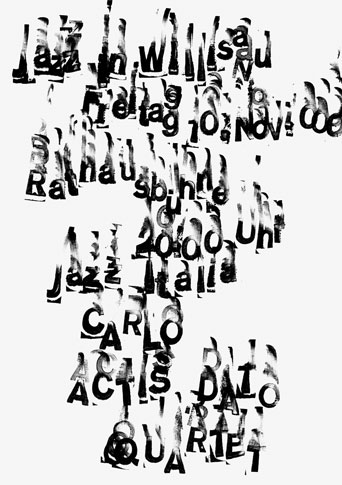
All That Jazz: Posters by Niklaus Troxler


Design Observer: 6.24.2015
Presented by AIGA

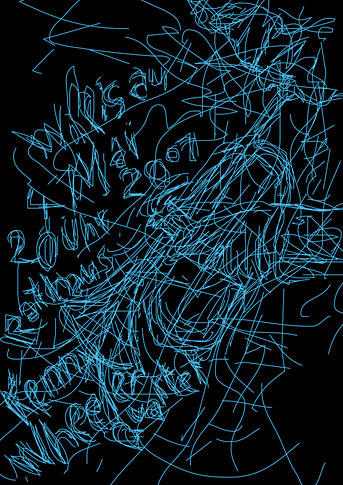
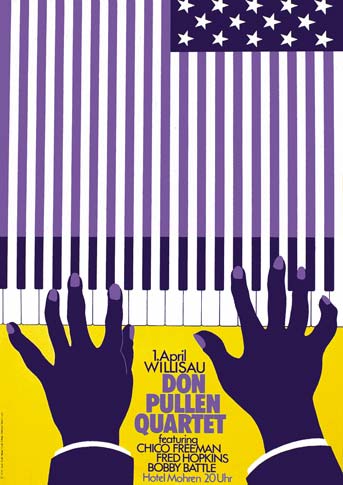
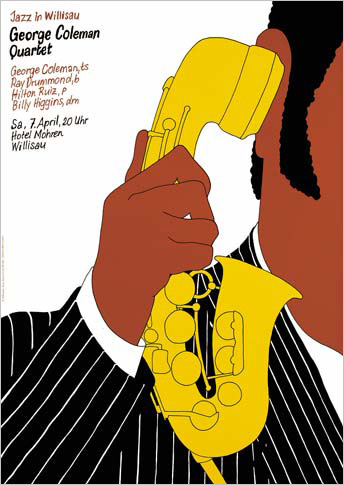
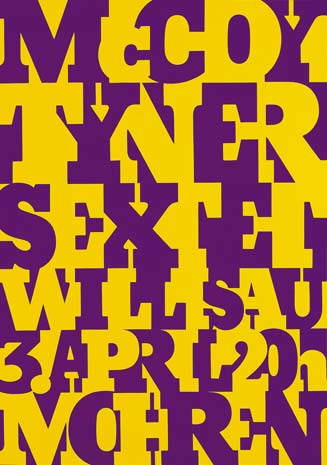
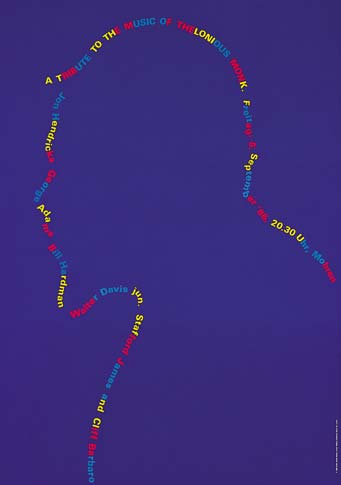
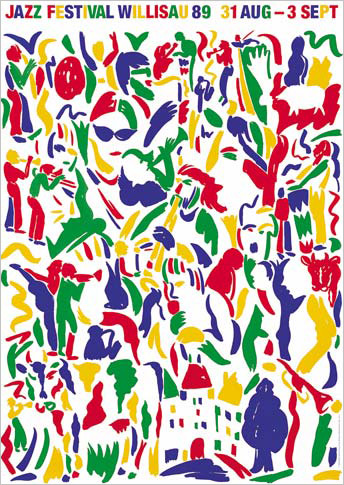
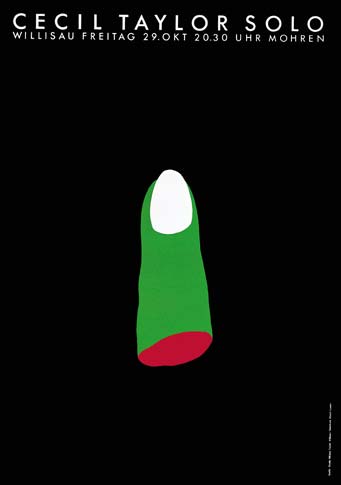
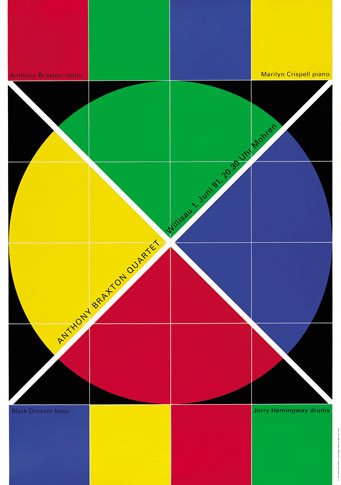
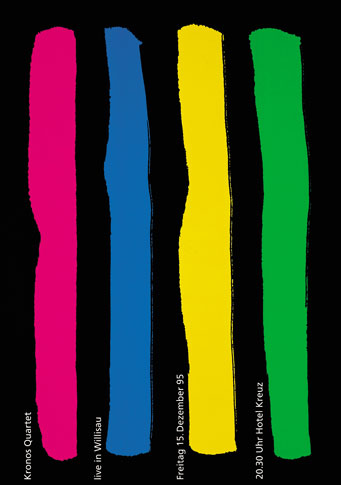
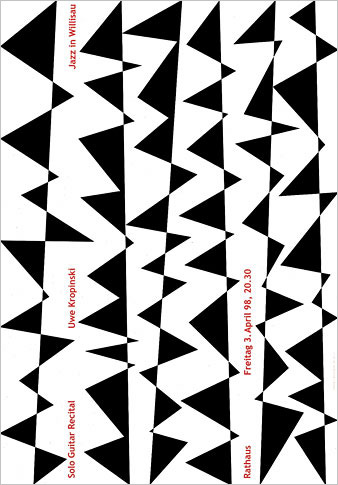
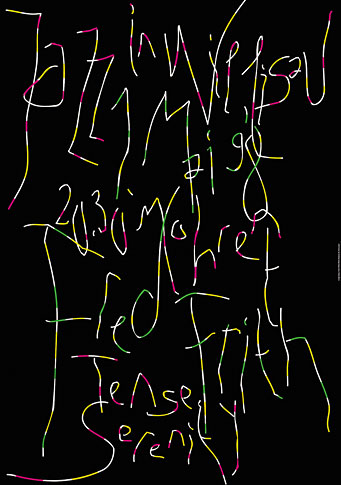
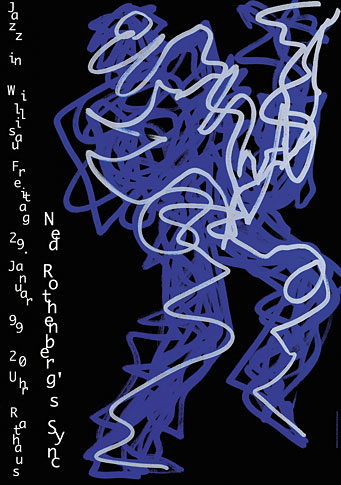
Niklaus Troxler is a graphic designer. Niklaus Troxler is a jazz fanatic. Nearly forty years ago, Troxler invited a jazz group to play in Willisau, the small Swiss farming town he calls home, and thus it began: Willisau became established as an unlikely destination for jazz musicians and their fans, and Troxler began to acquire a reputation as a designer to watch. Today, his work is exhibited, published, and collected all over the world, and Jazz Festival Willisau — which has hosted Keith Jarrett, Lester Bowie, Dewey Redman, McCoy Tyner, and the Kronos Quartet, among many others — is about to celebrate its 37th year.

The posters that Niklaus Troxler has designed to promote jazz in his home town can be viewed as a single, self-initiated project that has developed over five decades, a body of work that has few, if any, precedents. Spanning an astonishing range of styles, the posters are united by a single thing: the passion of a single man who serves at once as designer and client.

Many young designers dream of a world where they can set their own agenda and create without boundries. For most of us, this remains a fantasy. Niklaus Troxler proves that it can be done.