Thursday, May 17, 2018

Chet Baker in Europe

© -Steven Cerra, copyright protected; all rights reserved.
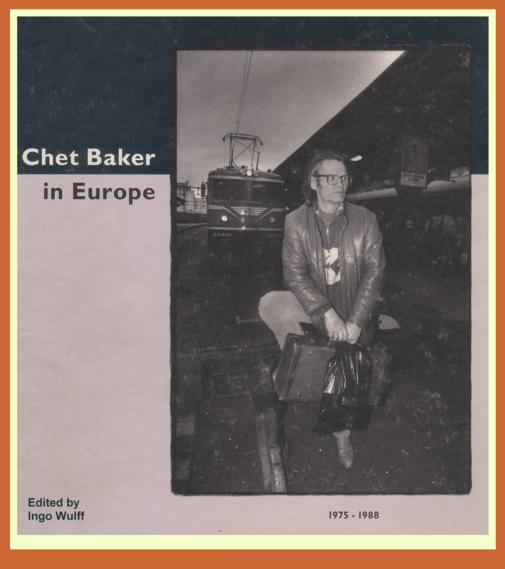


Edited by Ingo Wulff and published by Nieswand-Verlag, Kiel, Germany, in 1993 Chet Baker in Europe is a stunning photographic essay that covers Chet tenure in Europe from 1975 until his death there in 1988.


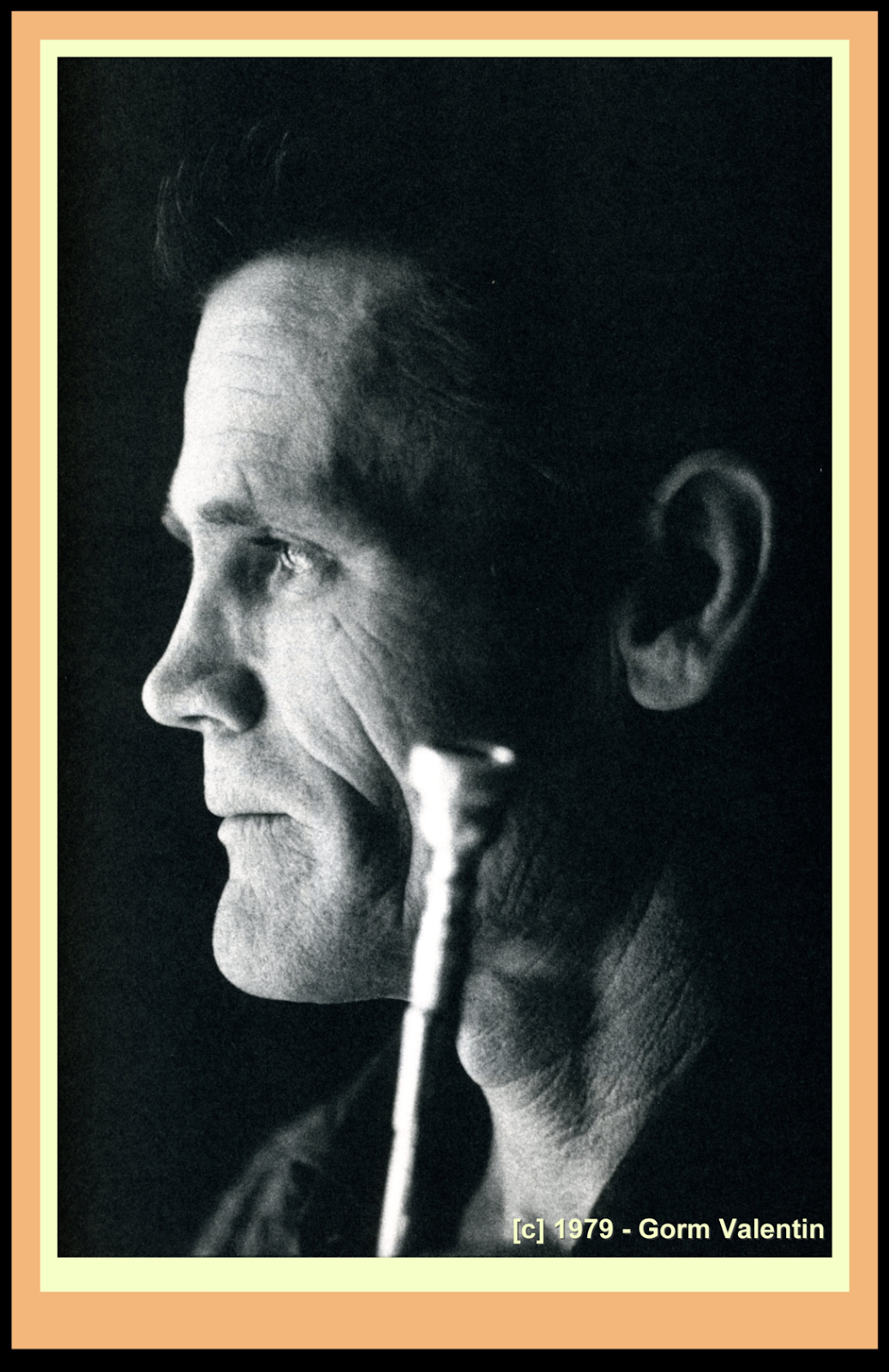
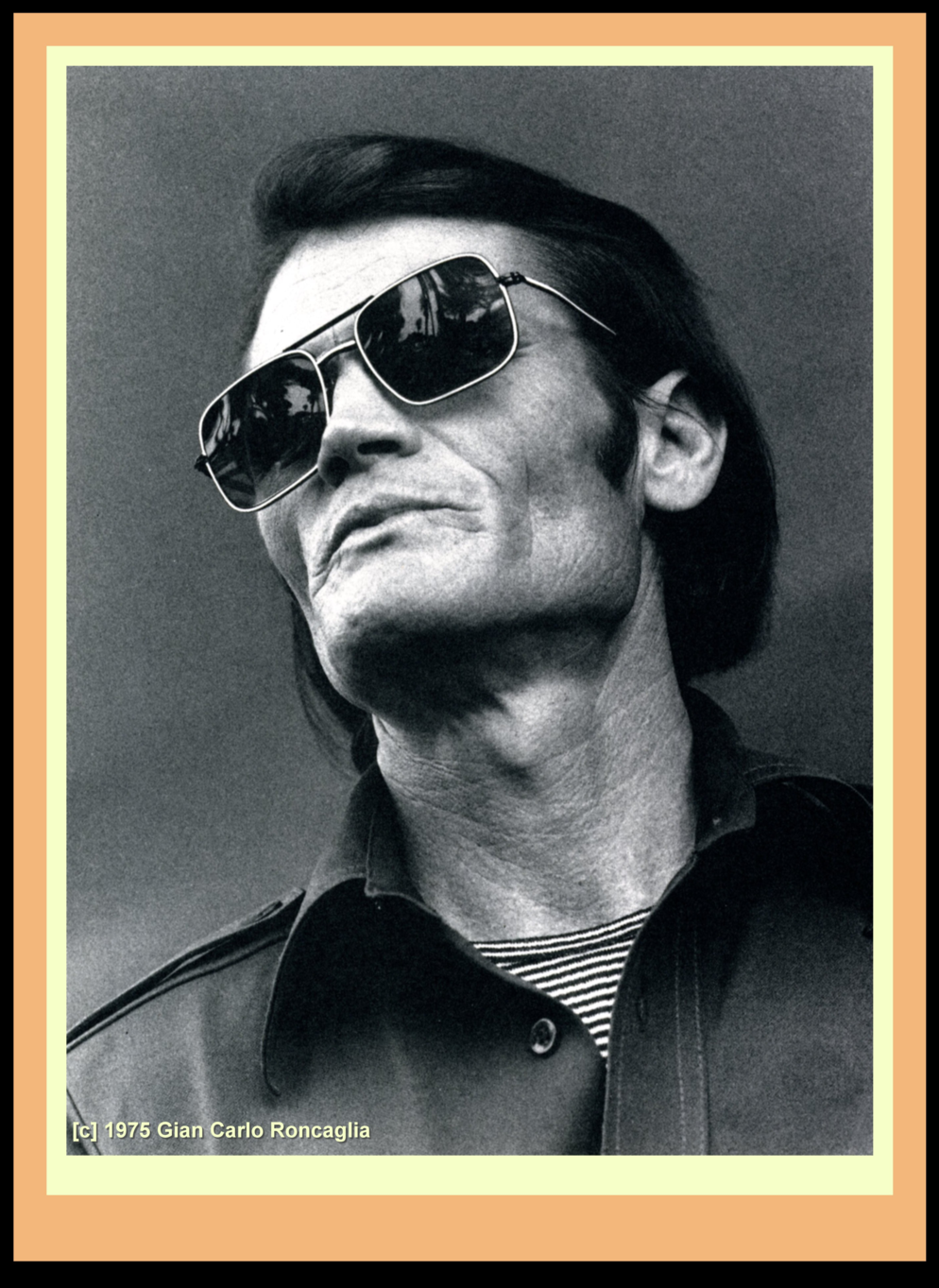
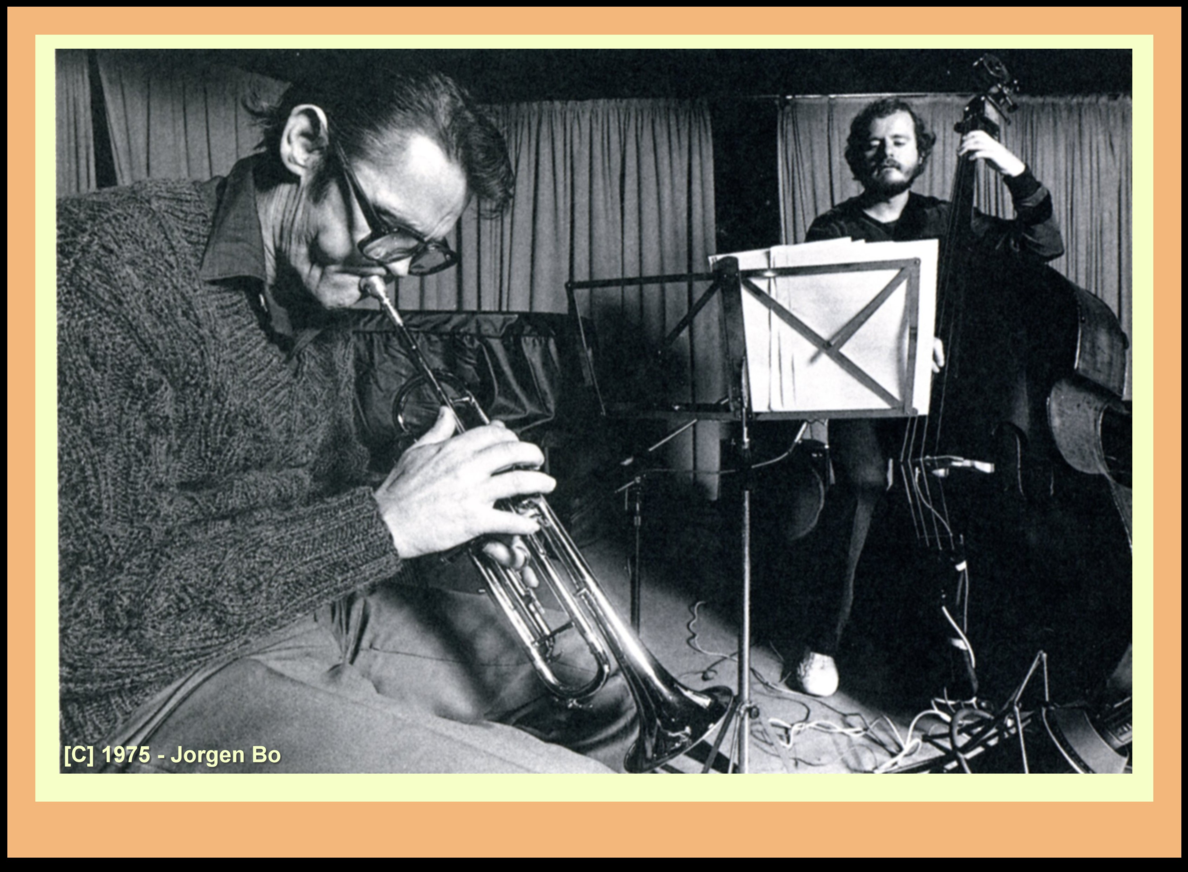
Many of the book’s photographs are offered unadorned by comments or explanations which only serves to enhance their dramatic quality.


Others images in the book are accompanied by remarks and observations from some of the artists and friends who played a role in Chet’s professional career while he was in Europe from 1975 – 1988.


The following introduction by the editor Ingo Wulff contains his explanation as to how and why he approached this compilation. He also references the fact that the book exclusively includes a CD by the same title.


As a point in closing, although the photographs in the book are presented in chronological order from 1975 – 1978, in some cases, their representation in this feature may be placed out of sequence. Also, commentary from certain musicians may have been juxtaposed with photographs differently than their depiction in the original work.


© -Ingo Wulff, copyright protected; all rights reserved.


INTRODUCTION


“The American trumpet player Chet Baker died in the early morning of May 13, 1988. He was 58 years old. His death was caused by a fall from a second-storey window of the Prins Hendrik Hotel in Amsterdam, sometime between two and three in the morning. Rumors still circulate regarding the exact circumstances: the Dutch police believe it was an accidental death stemming from drug abuse, others speak of murder, still others consider suicide a plausible explanation. Another theory says that Chet Baker tried to climb the hotel facade to enter his locked room without having to pass the reception desk. It is probable, though, that the fall from the window took place without the involvement of others since the door to his room was locked from the inside.


Chet Baker's professional career began in 1952, the year he joined the Gerry Mulligan Quartet. His ascent was rapid between 1953 and 1958 he repeatedly topped the polls of "Downbeat", "Metronome" and "Melody Maker" - his descent equally so, the result of drugs, imprisonment and, in 1968, a fist fight in which he lost several teeth and was forced to stop playing for a considerable time. In 1974 Chet Baker celebrated his comeback in yet another "reunion" with baritone saxophonist Gerry Mulligan in New York's Carnegie Hall. He returned to Europe, after a lengthy absence, in 1975. For him and for his American colleagues, Europe offered more favourable conditions than the motherland of jazz: the money was better, the audiences and critics receptive. In the years to follow, Europe become a new "home" for Chet Baker, the returns to America fewer and shorter.  On those journeys, he usually visited his family (mother, wife and three children) in Yale, Oklahoma. In the 70s, singer Ruth Young accompanied Chet Baker on his European tours; by the early 80s, he was sharing life on the road with saxophonist Diane Vavra.

Belgian saxophonist Jacques Pelzer had befriended Chet in the mid-Fifties, and the association continued until Baker's death. Pelzer's Liege [Belgium] home was a place where the trumpeter could rest and relax. He stored his few personal belongings there and returned frequently in the course of his endless tours. Jacques Pelzer's daughter Micheline organized many of Chet Baker's daily affairs and was often present at his concerts. She is a drummer, and the wife of pianist Michel Graillier who played with Baker for more than ten years.


Chet Baker had at least one good friend in almost every major European country: Randi Hultin in Oslo, Ove Tronekjaer and Hans H. Lerfeldt in Copenhagen, Evert Hekkema in Amsterdam, Bertrand Fevre in Paris, Paolo Piangiarelli in Macerata [Italy]. What he never had, however, was a home of his own; he was almost constantly en route between countries, often covering ridiculous distances to get from one gig to the next. In the spring of 1988 he decided finally to settle down and rent a house for himself and Diane Vavra on the outskirts of Paris. In mid-February, however, Diane Vavra went back to America, and did not return to Europe until after Chet Baker's death.


The enclosed CD contains studio recordings not previously available on Compact Disc: in the smallest of ensembles, the duo, with vibraphone player Wolfgang Lackerschmid and, in a larger line-up, as guest soloist with the Amstel Octet. Additionally, the CD includes four excerpts from interviews with Chet Baker.


The pictures in this book illustrate stages, both musical and private, of what I believe was Chet Baker's most important creative phase - a phase, however, which has met with little attention in America. More than fifty photographers from all over Europe have contributed their work, representing, at the some time, a chapter of European jazz photography. In the texts, mostly written specifically for this book, many musicians recall their time with the man who was, arguably, jazz’s most lyrical trumpeter. To these photographers and musicians, my special thanks.”


I don't think Chet ever got the respect he really deserved. At times in his life he must hove felt that he was overlooked. To me he was one of the most melodic players, one of the most sensitive players . . . very adventurous and imaginative . . . any superlative I can come up with belongs to him. At the same time, of course, I am fully aware of the fact that he disappointed a lot of people: because his lifestyle was different from that of the so-called average man. But in retrospect I think what stands out is his immense maturity as a melodic player and his contribution to the art form of jazz - which is the art of the individual. As time goes by and you look back at what happened in the Fifties, Sixties, and Seventies, Chet Baker stands out as one of the major artists of the era. -  Niels-Henning 0rsted Pedersen
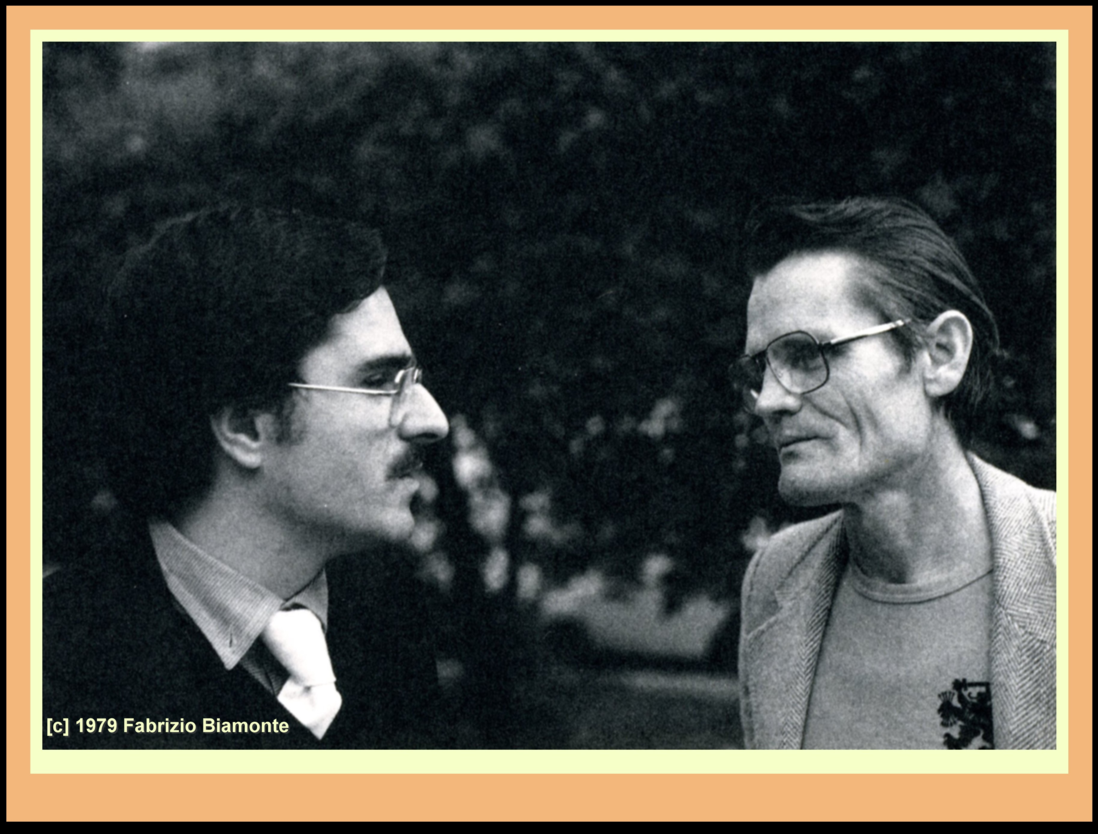


“When Chet decided that we should play a particular piece it was because at that moment he needed exactly that piece to express himself. For him each piece was a living thing he would return to again and again and whose features, whether happy or sad, he rediscovered every time. He knew the lyrics to almost all of the titles we played, the stories they contained, and in his performances he revived those stories. … His ear was extraordinary, as was his ability to force the audience into listening to what his trumpet and his voice had to say.”
– Enrico Pieranunzi
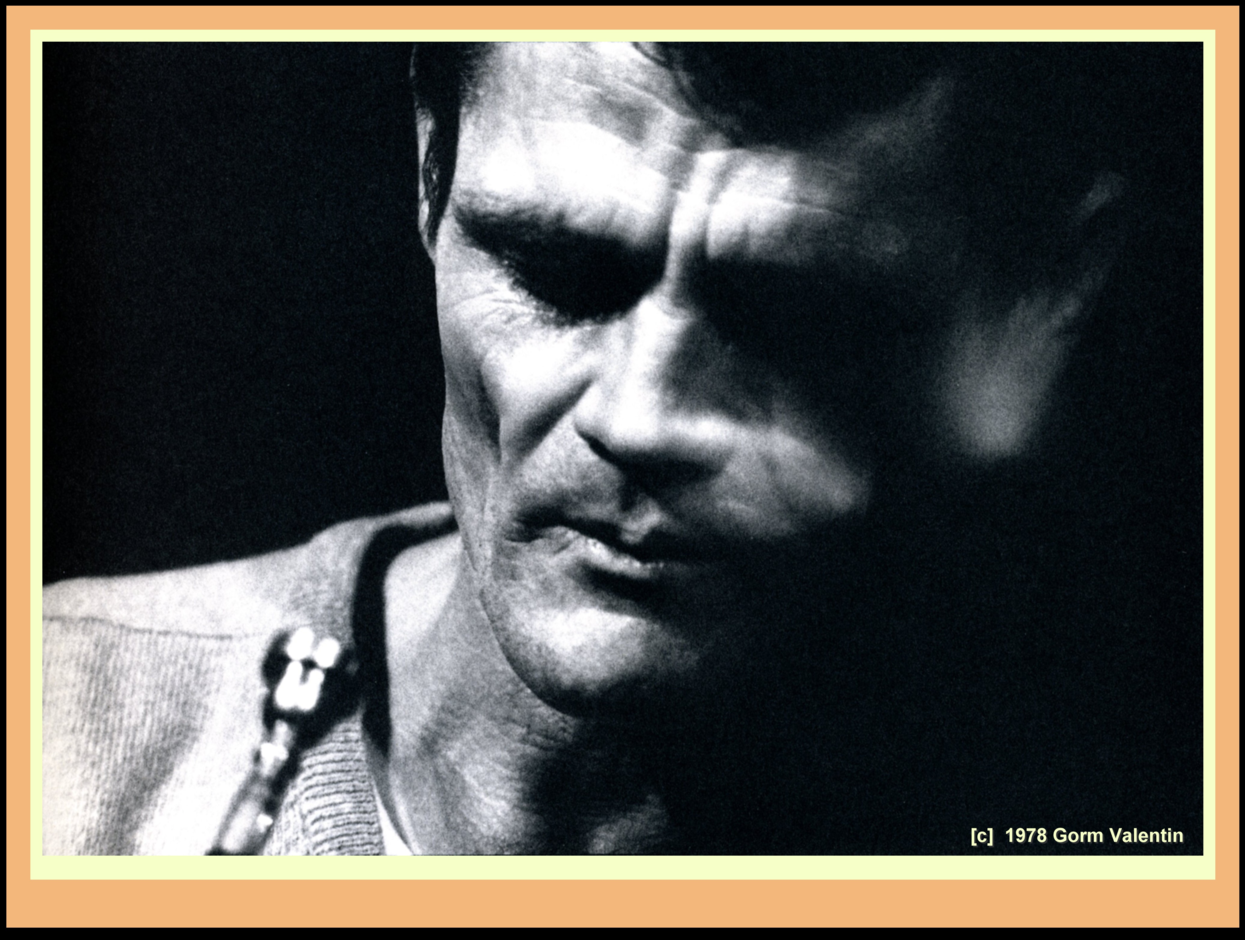


“Would you like to know how I first met Chet? It was a great surprise for me! I remember looking at the clock when the telephone rang. It was late, 1:30 in the morning. A man with a soft voice and a Western American accent asks me if I am Rocky Knauer. He says that he's calling from Stuttgart and that his name is Chet Baker. Since it had just been my birthday, my first thought was that a friend was putting me on, so I say: "Alright, who is this?" I hear a hearty laugh and then the person on the other end of the line quite quickly convinces me that he really is Chet Baker. He says he is having trouble with his bass player and would I have time to play with him tonight at the AT-Podium? My adrenalin immediately rises and while my heart beats faster I answer: "Yes I do have time and would love to play!" He then explained to me where the club is and which hotel to go to. Since I was too excited to sleep I put on the only Chet Baker record that I had at the time and started to pack the things I'd need that evening. The first thing that struck me was how melodiously and lyrically he played, and that he could really sound like Miles. I could hardly wait to get to the gig!”
- Rocky Knauer [bassist]
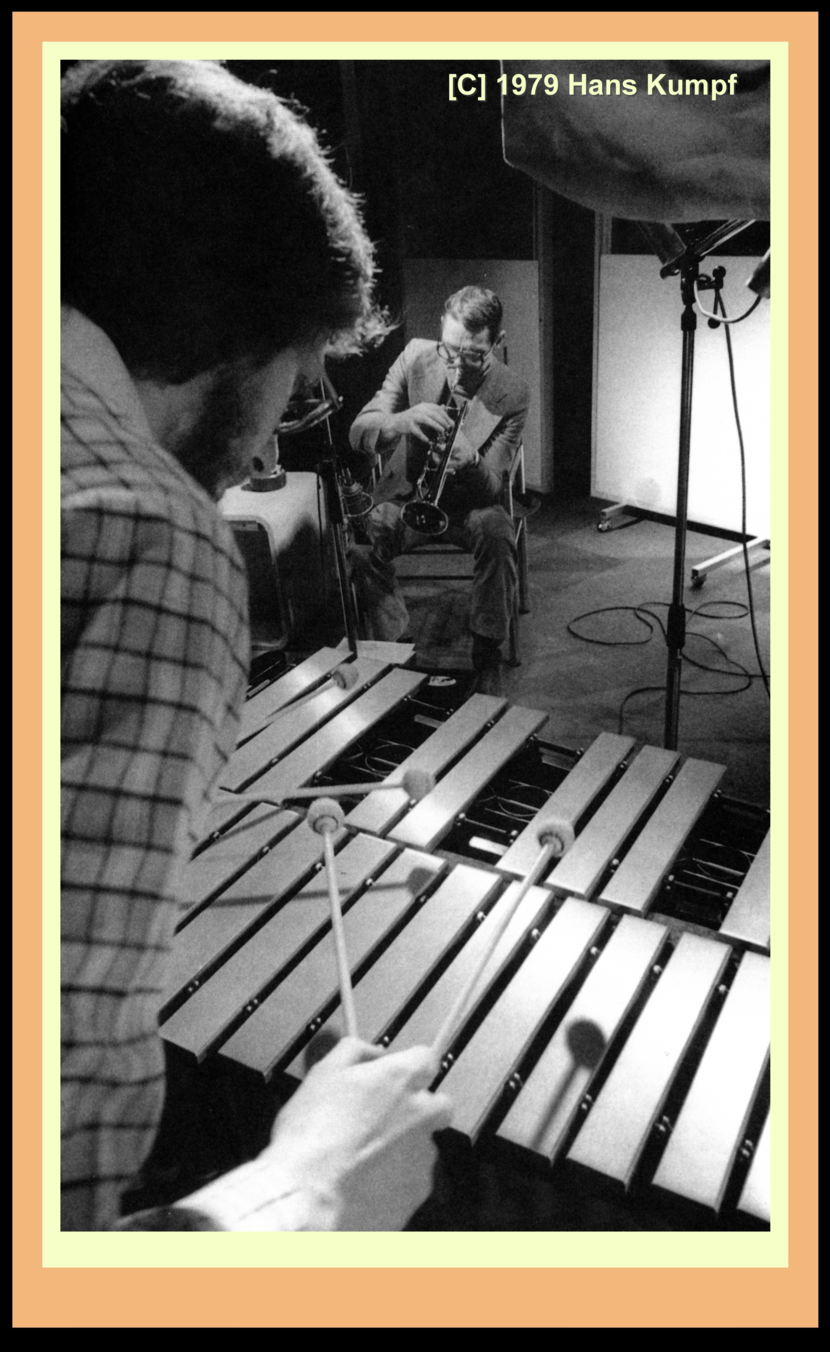


“I played with Chet over a period of nine years in varying line-ups, mainly smaller tour bands, from the duo up to sextets. He played melodies with such a musical logic that even in the beginning, when I was only twenty-three years old, I could follow him intuitively, although many of his pieces were still unknown to me.
Moreover, he was the only one who interpreted my compositions exactly the way I had imagined them. He hit the right mood and, during recordings, was very concentrated and serious. After the sessions for the duo album, he said to me: ‘Wolfgang, I'd like to work with you. I like your tunes and your playing and you're a good driver and a good guy to hang out with. So ... do you want to tour with me?’
Of course I was overwhelmed, happy and excited. . .
When we recorded "Why Shouldn't You Cry", the piece did not have a title. I'd only just completed it and had not yet copied out the changes in Bb. I was about to do this when Chet said:’"I don't need changes. I got the melody . . ..’ Of course that says a lot about him and the music itself. If you have the melody you can also master the form and the harmonies, and you don't have to churn out notes according to the dictates of a bunch of harmonic symbols.
After we had recorded the piece our girlfriends and the manager sat in the control room crying. They were so moved by the recording but a little embarrassed, too, that we had caught them in such a vulnerable state. Whereupon we both said, "Why shouldn't you cry?", and that became the title.
- Wolfgang Lackerschmid [vibist]
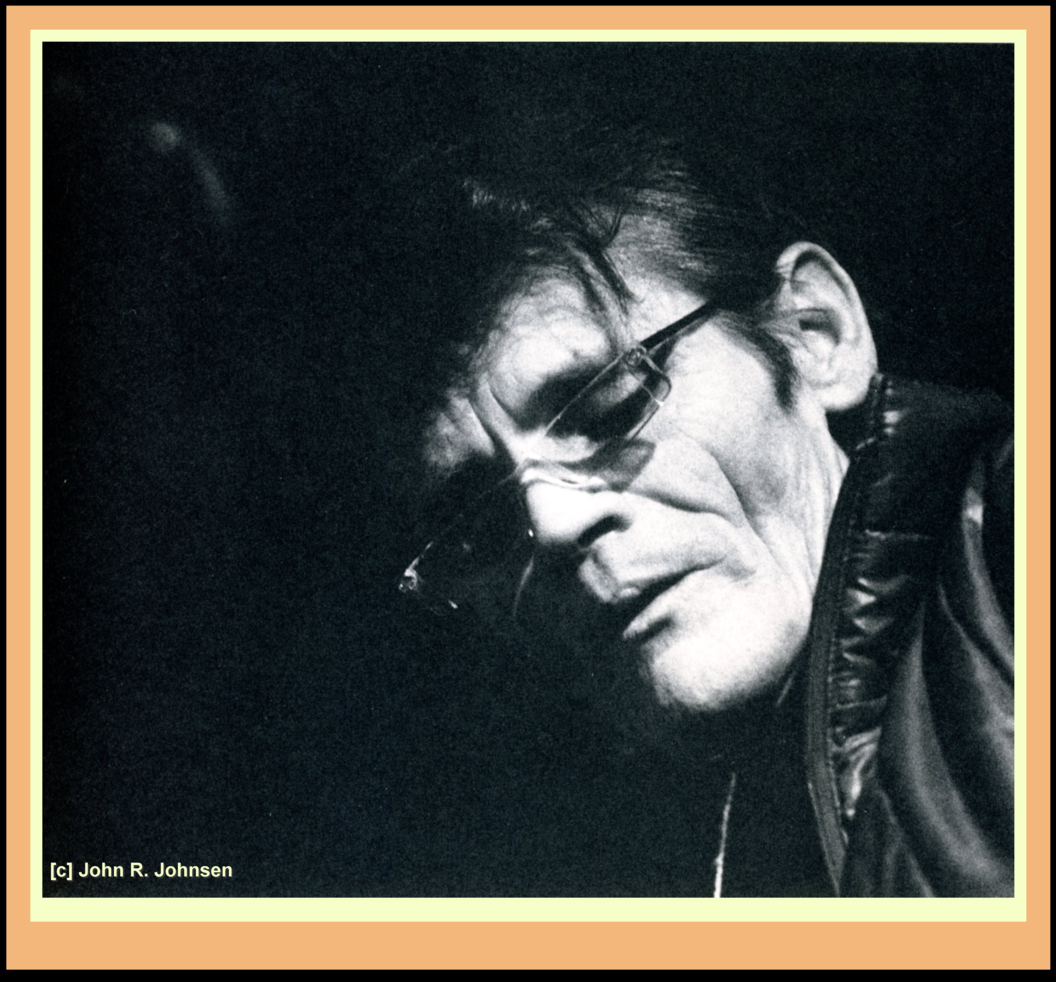


The first time I met Chet Baker was outside Sweet Silence studios in Copenhagen, where we were to record the "The Touch Of Your Lips" date. The engineer-owner of the studio hadn't shown up yet so we sat outside waiting for him to arrive. Chet struck me as a rather quiet person, at any rate he didn't say much. When the session finally got started he asked, ‘What do you want to play?,’ which surprised me. He did have some music with him, though. I remember suggesting "Autumn In New York". I think he chose the rest of the tunes. Chet was having trouble with his chops although it turned out to be a pretty good session.
He called me about a month later and asked if I would come to Paris and play with him. We did two weeks at the Club St-Germain. The first few days were pretty much like the record date as far as Chet was concerned. Then suddenly one night his chops were fine and he played like a whirlwind, fast long lines with that perfect timing he had. It scared me a bit. I remember thinking, This guy's a giant.'
- Doug Raney [guitarist]
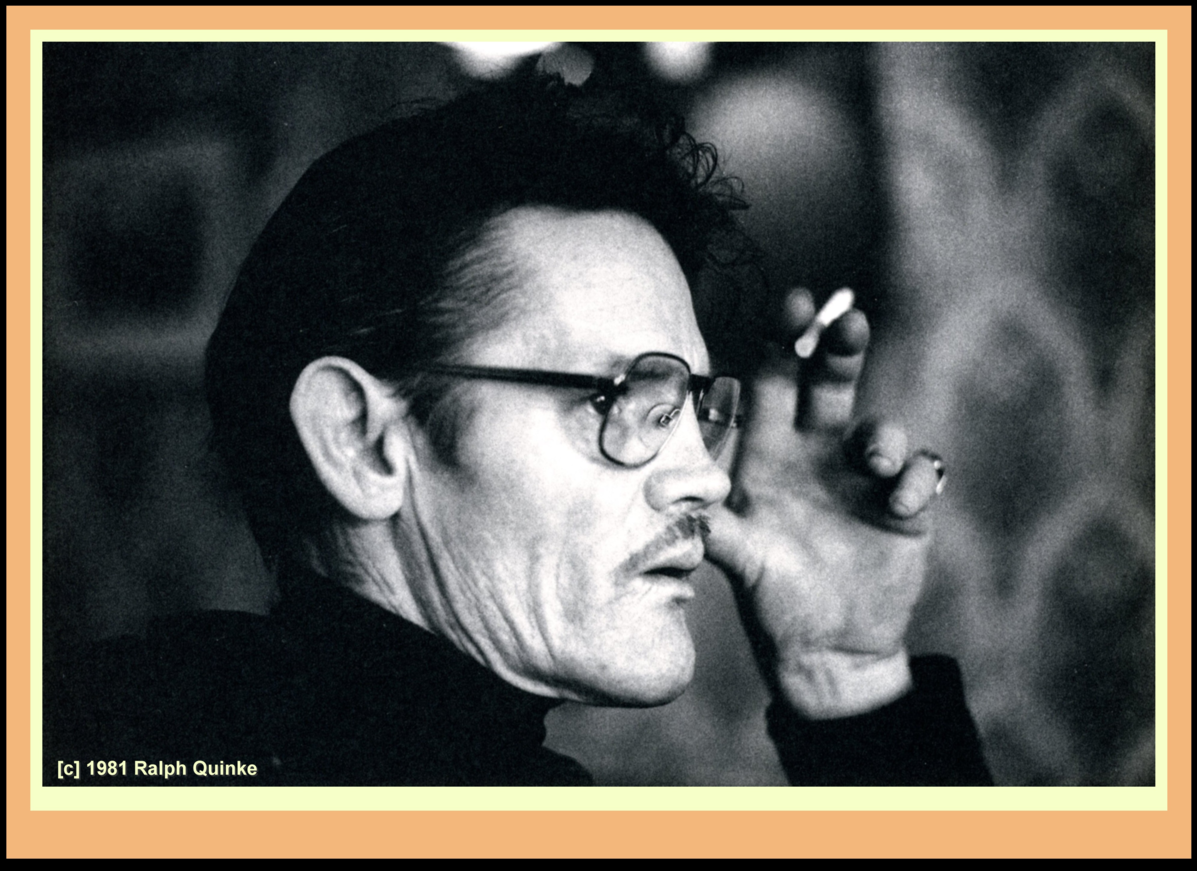


“The first time I met Chet Baker in 1982 was at the ‘Montmartre’ in Copenhagen. That evening, Doug Raney, Horace Parlan, Alex Riel and I formed a quartet that was supposed to accompany Chet.
I had been told that Chet could be very difficult to work with but, that evening, everything fell into place from the very first note that we played, and I enjoyed it immensely.
Later, I had some not so nice experiences with Chet, partly caused by his self-destructive habits, sometimes resulting in him not showing up at concerts, sometimes resulting in performances that did not come up to his normal artistic level.
Anyway, he always managed to get a lot of atmosphere and feeling into his music, no matter the circumstances, and for me it was a great learning experience.
Looking back, it is easier to remember the good than the bad times, and I am proud to have been one of his sidemen.”
- Jesper Lundgaard [bassist]
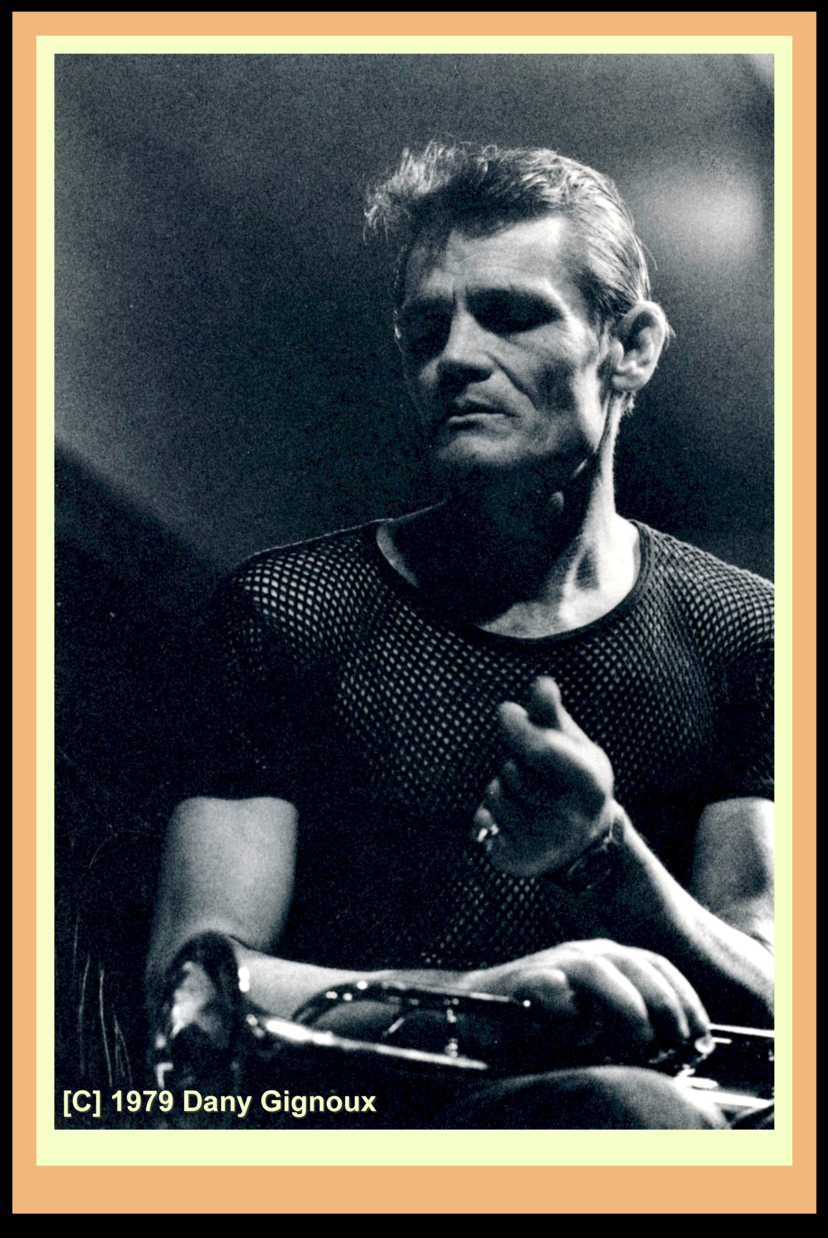


“What I remember most dearly about Chet is his rigorous musicality; for him everything was music, his mind seemed to be working constantly. In the car we used to sing together, all the time . . . And, of course, the seriousness of his music: every note is weighted, chattiness has no place in his language, everything is reduced to the essential, and that, too, has been considered carefully. He reflected a lot about music although people used to have a different picture of him: ‘Oh well, he plays by ear, he's a great improviser.’ He was thinking about the choice of notes and how they should be arranged in space.
Naturally, I also have a lot of memories on the personal level, after all we worked together for more than ten years. For me he was, quite literally, an outstanding person; he avoided the beaten track, he didn't care about outmoded rules. And he had a generosity, a humanity about him which existed independently from the person that life had treated so badly. He had, in spite of all that, retained a kind of naivety. Sometimes he appeared to me like a medieval knight, with his incredible sense of justice and honor, his amazement at the fact that there were people who were ripping him off.”
– Jean-Louis Rassinforte [bassist]
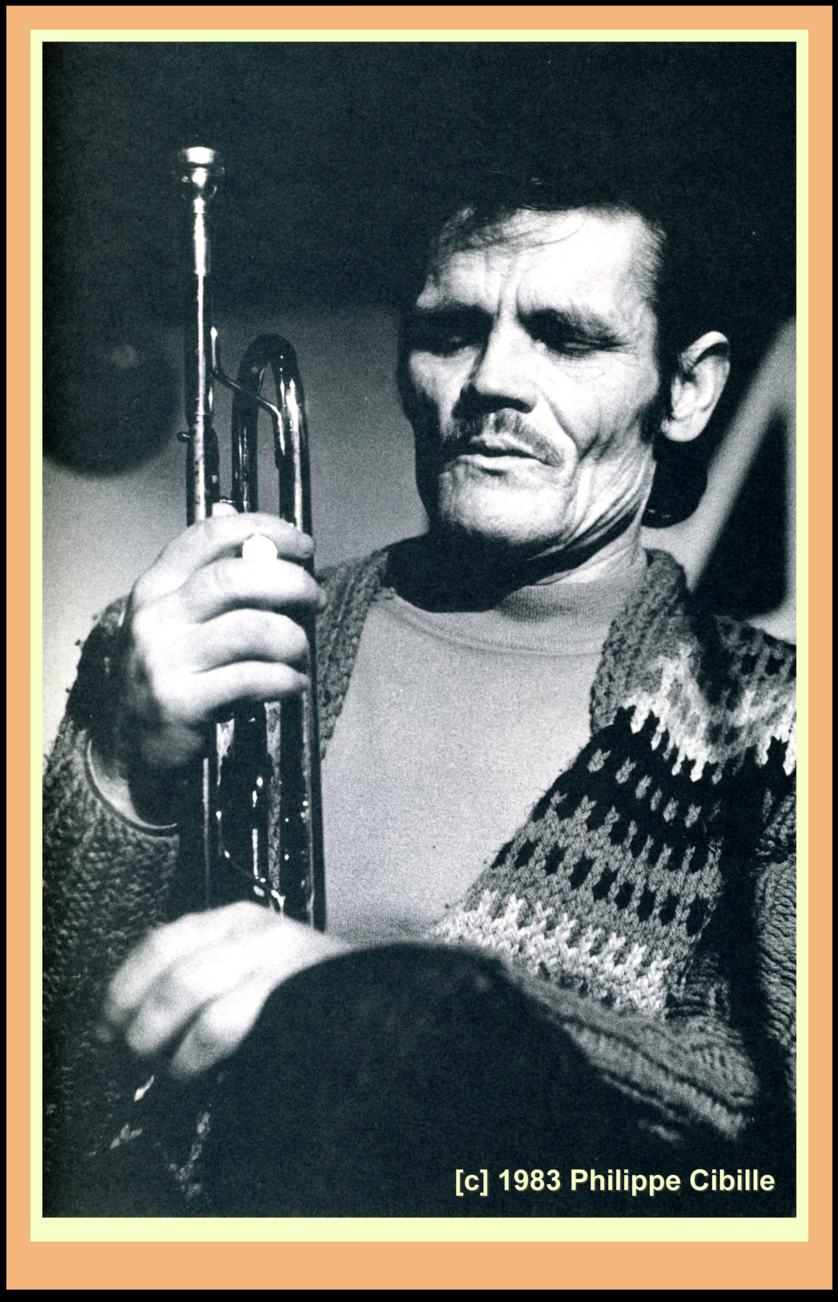


“Chet was playing a concert in a small club in Amsterdam. There were about 200 people present in a cramped space. By the time I arrived there was an intermission and I found Chet at the entrance door, sweating. He gave me a rueful smile that seemed to allude to the hubbub emanating from the club. We talked for a while and then went in for the next set.
Chet said: "Follow me to the stage, it's the safest place in the joint." The crowd opened up, and there I sat - on Chet's trumpet case. Chet sat down on a chair, as usual. He played a tune, sang another, scatted some, took it out, and then, to my surprise, introduced me to the audience and handed his horn over to me. The mouthpiece was smaller than my own but what else could I do but play? For two tunes I was Chet Baker. It almost made me sing.”
– Evert Hekkema [trumpet/brass player


Wednesday, May 16, 2018

Benny Green Trio - Air Dancing (Buster Williams) Buster on bass; Lewis Nash, drums

Jimmie Lunceford - A Musical World Onto Himself

© -Steven Cerra. Copyright protected; all rights reserved.


“Jimmie Lunceford's music redeemed the sentimental excesses of the swing era with dynamic two-beat rhythms, bravura arrangements, and an overall charm that managed to appear calculating and ingenuous at the same time. His was a musical world onto itself: whimsical yet disciplined, flashy yet innovative. Because Lunceford's showmanship lent itself to fey singers and a stock of novelty songs from minstrelsy, vaudeville, and Tin Pan Alley, his recordings may require a stronger taste for irony than those of Henderson, Ellington, or Basie. But in its originality, the Lunceford band stands with those three as one of the most influential orchestras of the '30s.


Lunceford compensated for his seeming lack of profundity with his own "three Ps": Punctuality, Precision, and Presentation. He had the nattiest looking band of the day, with smartly uniformed musicians waving derby mutes and tossing their instruments into the air, but he never succumbed to the cynical party-hat conviviality of such cornpone hacks as Kay Kyser. On the contrary, he used his three Ps to augment the elements of hard jazz: fervent swing, audacious writing, heady solos. To these he added the suggestion of a Panglossian conviction that the music he celebrated (American music in all its motley) was as good as music could be. He made art out of commercial slickness.


Unlike the other figures associated with distinct big band styles, he had little direct impact as composer, arranger, or instrumentalist. In assigning authorship of the Lunceford sound to Lunceford, we are merely acknowledging his captaincy of the ship—the regal-looking commander with the baton. Perhaps this isn't fair. Jazz has upset several accepted notions of Western music, most especially what a composer does and how his role is defined. The distinction between composition and improvisation is blurred by composer-performers like Louis Armstrong or Lester Young, who produced comprehensive musical styles without much recourse to paperwork. Similarly, a jazz bandleader (unless hired strictly for show because of a pretty face or famous name) does some of the work of a composer in selecting talent and delegating responsibility. Lunceford's sound may have reached its apogee in the writing of his most gifted arranger, Sy Oliver, but the fact remains that neither Oliver (notwithstanding several famous arrangements he later wrote for Tommy Dorsey), nor Trummy Young, Joe Thomas, Willie Smith, and Jimmy Crawford, not to mention lesser luminaries such as Eddie Wilcox, Paul Webster, and Eddie Tompkins, would ever again create as memorable a body of work as they did under his authoritarian rule. He knew what he wanted and how to get musicians to give it to him.”
- Garry Giddins, Visions of Jazz: The First Century


In its peak years, from 1937 to 1941, the Jimmie Lunceford Orchestra performed with a polish and showmanship that was unmatched by any other big band. Lunceford's demand for perfection earned the group a reputation for ensemble precision that influenced big bands into the 1950s. Hie reed parts, in particular, prefigured the kind of virtuosic technique (hat became the norm in modern jazz.


Lunceford grew up in Denver, Colorado. The son of a choirmaster, he learned to play saxophone, flute, guitar, and trombone. In high school, he studied music with Wilberforce J. Whiteman, the father of bandleader Paul Whiteman, subsequently playing alto sax in George Morrison's orchestra (1922). While enrolled at Fisk University in Nashville he traveled to New York to take music courses at City College and to work in dance bands. After receiving a bachelor's degree in music from Fisk in 1926, he began teaching music at Manassa High School in Memphis.


In 1927 Lunceford organized a student jazz band, which spent the next few summers performing at a resort in Lakeside, Ohio. Two years later, (lie group turned professional, strengthened by the addition of three men whom he had met at Fisk: saxophonist Willie Smith, pianist Edwin Wilcox, and trombonist Henry Wells. Following extended engagements in Cleveland and Buffalo, the band performed at the Lafayette Theatre in New York, and in January 1934 they began an important residency at Harlem's Cotton Club. This job, together with cross-country touring and a series of recordings made for Decca, established their reputation nationally.


The sound of the band in the early 1930s reflected Lunceford's admiration for Alphonso Trent's orchestra, a southwestern-territory band that featured bluesy, riff-based numbers. By 1935, however, a more sophisticated and distinctive "Lunceford sound" had emerged. This was partly the result of the intricate reed-section writing introduced in Wilcox's and Smith's arrangements. Most important were the scores contributed by Sy Oliver (1910—88), a trumpeter, singer, and self-taught arranger who had joined the band in late 1933. The brilliantly unpredictable interplay between soloists and brass and reed sections that Oliver conceived on tunes such as "For Dancers Only," "Margie," and "Organ Grinder's Swing" set a high standard for Swing Era arrangers. The two-beat rhythm that he preferred for medium-tempo tunes produced an unusually buoyant feeling.


Oliver's scores also supported the group's soloists, including tenor saxophonist Joe Thomas, trombonist James "Trummy" Young, Eddie Durham, both a trombonist and a pioneer of the electric guitar, high-note trumpeter Eugene "Snooky" Young, and Willie Smith, reed-section coach and virtuoso alto-sax soloist. The band was visually exciting, with swaying trombones and trumpets pointing skyward. According to Oliver, the band's spirit enabled it to perform "way over its head."


A grueling schedule of one-nighters eventually eroded this spirit. Sy Oliver, the band's principal arranger, left to work for Tommy Dorsey in 1939. By 1943 younger and often more skilled musicians had replaced many of the original members, but they were unable to recapture the band's luster. Their recordings were often remakes of earlier hits. While on tour in 1947 Lunceford died of a heart attack during an autograph session, Wilcox and Thomas took over the group, which finally disbanded in 1950. [Sources: Gunther Schuller, The Swing Era and Len Lyons and Don Perlo, Jazz Portraits: The Lives and Music of the Jazz Masters].


Here’s what George T. Simon, a noted authority on big bands and who for many years covered them for Metronome magazine had to say about the Lunceford Orchestra in his definitive 4th edition of The Big Bands.


“WHAT must go down in dance band history as the greatest gathering of the clan took place in New York's Manhattan Center on the night of November 18, 1940, when Benny Goodman, Glenn Miller, Count Basie, Glen Gray, Les Brown, Guy Lombardo, Will Bradley, Sammy Kaye and twenty other big bands wowed six thousand enthusiastic fans without a letup from eight in the evening until four the next morning.


In this marathon, MC'd by disc jockey Martin Block, all the bands were scheduled to play fifteen-minute sets—and all except one of those twenty-eight bands got off the stage when it was supposed to. But that one couldn't, for the simple reason that along about midnight it broke the show wide open, to such hollering and cheering and shouting for "More!" that no other band could get on stage until Jimmie Lunceford's was allowed to play some extra tunes.


That this fantastic outfit could top all the others in a show of this sort came as no surprise to those of us who had seen it in action before, and probably comes as no surprise to any reader who ever caught the band during its heyday. For Jimmie Lunceford's was without a doubt the most exciting big band of all time!


Its music was great, but not that much greater than that of several other top swing bands' and, in fact, not as consistently brilliant, perhaps, as one or two others'. But the Lunceford band was so far ahead of all the rest in one department - showmanship  - that when it came to any battle of the bands, none could touch it.

It was the sort of band that no one with even the slightest feel for swing could stand in front of and stand still. It propelled a fantastically joyous swinging beat, and.the musicians projected it with uninhibited, completely infectious enthusiasm.

It was not a band that relied on star soloists, though it did have several outstanding jazz men. Instead, it emphasized ensemble sounds, brilliant brass, sweeping saxes and a wonderfully buoyant rhythm section, all playing some of the swingingest arrangements of all time.


There was constant aural and visual interplay among the musicians. The trumpets would throw their horns in the air together; the saxes would almost charge off the stage, so enthusiastically did they blow their horns; the trombones would slip their slides toward the skies; and throughout the evening the musicians would be kidding and shouting at one another, projecting an aura of irresistible exuberance.


In front of all this stood Lunceford, a big, impressive-looking man with a huge smile and baton to match, supervising and controlling the entire proceedings. He may not have displayed the flash of a Goodman or a Dorsey or an Ellington or a James, but as Sy Oliver, the man responsible for so much of the band's music, recently emphasized, "Make no mistake about it, Jimmie definitely was a leader. He was a strict disciplinarian, like a teacher in a schoolroom, but he was consistent in everything he did, and that gave the fellows in the band a feeling of security."

Lunceford had started out as an athletic director at a Memphis, Tennessee, high school; in fact, he had coached some of the musicians who later worked in his band. He had been graduated from Fisk University and had also taken graduate courses at the City College of New York. The band, organized in Memphis in the late twenties, began developing into a mature unit during annual summer engagements in Lakeside, Ohio.


After establishing a name for itself in Buffalo, it came to New York City in 1933, appearing at the Cotton Club. It recorded several numbers that, as Oliver now points out, were not at all typical of the band's music. Such racing flag wavers as "White Heat" and "Jazznocracy" were written for the band by Will Hudson, a white arranger who was working for Irving Mills, the influential music publisher, who was helping the band and who wanted to get his firm's music, which included Hudson's originals, performed on records and on the air.


The real Jimmie Lunceford music was far more relaxed. Its style has often been referred to as "the Lunceford two beat," a light, loping, swing, created and developed by Oliver. Sy, a bright, broad-faced, intelligent trumpeter, who never studied arranging in his life, came from a musical family. Originally his parents had wanted him to study piano, but athletics intrigued him more. Finally, he acquiesced sufficiently to take up the trumpet and, after his father died, played seriously enough to land a job in Zack White's band, for which he also began to arrange, picking up his own technique. "One day in Cincinnati," he recalls, "I heard the Lunceford band rehearsing. I was so impressed, because Jimmie was so careful about every single detail, that I asked him if I could try writing for the band." Lunceford said yes, so Oliver wrote several arrangements for him. Soon thereafter came an offer to join the band. Sy grabbed it.


Right from the start, Oliver began turning out brilliant scores, many of which have survived through the years as the most outstanding in the Lunceford library — "Swanee River," "My Blue Heaven," "Four or Five Times," "Organ Grinder's Swing," "On the Beach at Bali Bali," "For Dancers Only," "Margie," "Cheatin' on Me," "Dream of You," a tune that Sy wrote, plus his own favorite arrangement of "By the River St. Marie." The band recorded it for Decca, but, Sy says, "We never did get to do the full arrangement of 'St. Marie' because it ran six minutes and that was too long for those old seventy-eight sides." Oliver also wrote another tune, which he liked very much but which Lunceford apparently didn't. Jimmie may have turned it down, but Tommy Dorsey, for whom Sy later arranged, didn't. He recorded and made a big hit out of "Yes, Indeed!"


Though praised by many musicians, Oliver's arrangements were curiously deprecated during an interview I had early in 1946 with none other than Sy Oliver himself. "Those arrangements," he insisted, "they were all just alike. I couldn't write. It's just that those guys played so well. Anybody could have written for that band."


The point, of course, is that nobody else did write like that for the Lunceford band, nor for Dorsey's band, nor for Billy May's band, nor for Sam Donahue's, nor for any of the many others which paid Oliver the supreme compliment by basing their styles on his.


Not that everything Sy did was always accepted. Jimmie Crawford, the great drummer, whose simple but always swinging playing inspired the Lunceford band for such a long time, at first wasn't completely sold on Oliver's penchant for emphasizing two instead of four beats in each measure. "Sy would say 'Drop it in two,' and I'd maybe show I didn't agree with him, and so he'd say, ' What's wrong with two beats?' and I'd answer, 'Well, there are two beats missing, that's all.' I felt that if you were really going home in those last ride-out choruses, then you should really go home all the way, full steam and stay in four-four instead of going back into that two-four feel again. Oh yes, Sy and I would have some terrific arguments all right, but then we'd kiss and make up right away." Apparently Sy and Jimmie hear better ear-to-ear these days, because on almost every recording date Sy now conducts, he uses Jimmie on drums. Crawford, by the way, is one of today's most sought-after drummers for Broadway musicals: his drive and his spirit remain as contagious as ever.

Oliver wasn't the only arranger in the band. Several other musicians wrote scores, and one of them, pianist Edwin Wilcox, has been tabbed by Sy as "one of the most underrated musicians in the business. People don't realize how much he contributed to the band. He did as much as I did, and he definitely was the man responsible for all those beautiful sax ensemble choruses that we used to play. Don't ever overlook him, please!"


The sax choruses were blown by a section led by a fine alto man, the late Willie Smith, who also sang some cute vocals, and who later became a mainstay of the Harry James, Charlie Spivak, and in the mid-sixties the Charlie Barnet sax teams. Playing with him were Joe Thomas, a fine tenor saxist, considered by many to have been the outstanding soloist in the band, who also sang; Earl (Jock) Carruthers, an especially spirited baritone saxist; and Dan Grissom (called "Dan Gruesome" by his deprecators), who for many years was also the band's chief ballad vocalist.


The trumpets, in addition to Oliver, spotted a great lead man in Eddie Tompkins and, in the early years, a high-note screecher named Tommy Stevenson, who was replaced by an equally stratospheric trumpeter named Paul Webster.


The trombonists featured a very funny fellow named Elmer Crumbley, an outstanding, soft singer, Henry Wells, who also arranged, and, for a while, a good jazz soloist, Eddie Durham, who doubled wonderfully on electric guitar, an instrument seldom heard during the mid-thirties. Later James (Trummy) Young joined the band and provided it with some of its outstanding jazz trombone and vocal moments.


After Oliver left, Trummy replaced him in the vocal trio which had previously projected such a wonderfully light, free-swinging sound on "My Blue Heaven" and "Four or Five Times." According to Oliver, "nobody in the group could really sing, but yet no group could sound like that."


Both in regard to the vocal trio and to the band as a whole, it is Sy's contention that "the whole was three times as great as the individual components. The band played way over its head simply because of its tremendous spirit. The guys were all individualists. They were all characters in their own fashion. And each one of them was a definite personality."


The characters and their personalities were always there for all to see and hear. This, according to Lunceford, accounted for much of the band's success. "A band that looks good, goes in for a better class of showmanship, and seems to be enjoying its work," he said in the early forties, "will always be sure of a return visit wherever it plays."

"We did have a barrel of fun," Oliver says. "Jock Carruthers was really the playmaker of the band. He was always up to something. I remember one night after we'd finished work around two in the morning and we'd all gotten nice and settled on the bus and suddenly this alarm clock went off. We couldn't figure out where it was coming from. Finally we located it in the bottom of the luggage—in Carruthers' bag. He'd set it to go off at six in the morning!


"So then Paul Webster decided he'd go Jock one better, and one night he put two alarm clocks in his bag, and just to make sure everybody'd hear them, he put them in two pie plates. What a racket that made!"


Traveling was something the Lunceford band did a great deal of. Jimmie recapped some statistics in 1942 as follows: "We do a couple of hundred one-nighters a year, fifteen to twenty weeks of theaters, maybe one four-week location and two weeks of vacation. All in all, we cover about forty thousand miles a year!"


The men got along together surprisingly well, considering the conditions under which they were forced to work. Other top (white) outfits could stay in big cities for weeks at a time, and therefore could benefit by playing the name spots and getting exposure through radio shots. But Lunceford, apparently resigned to the facts of life, rationalized that air time, of which the band still had some, was not that important. He indicated that recordings were more powerful, and he'd point out that if you made a mistake on records, you could try again, but when you made one on live broadcasts, there was nothing you could do about it.


Pride and internal competition buoyed the band's spirits. The brass and sax teams kept trying to outplay each other. If one section made a mistake, the other gloated—often to the accompaniment of stomping feet. "But Jimmie finally stopped that," relates Oliver. "He claimed all those feet stomping ruined the broadcasts."


One exciting bit of showmanship the brass introduced was the waving of derby hats, an effect Glenn Miller picked up and utilized so extensively with his band. Says Oliver: "That was Stevie's idea. [Stevie was Tommy Stevenson.] He was full of ideas like that. The only trouble was that Eddie [Tompkins] and I would remember them, and then he'd be the one who'd forget what to do!"


And something else in the trumpet section bothered Oliver: "I was a lousy trumpet player. If I'd been a leader, I would never have hired me for a record date." However, Sy's opinion of his playing doesn't jibe with that of many others. He was, I always felt, the most interesting trumpet soloist in the band — not as flashy as the others but very musical and warm and emotional. What none of us realized, though, as we listened to what we thought were such great extemporaneous jazz passages, was that Sy had prepared everyone in advance. "I could never ad-lib the way the others did. The way I worked it, I'd write out my chorus and then I'd start building my arrangement around it. It was like taking a mediocre picture and putting it in a good frame so that it seems better than it really is. And you know what? I still use the same formula when I arrange for mediocre singers today.


"Another thing I used to do when I wrote for the band was to write with the various guys' limitations in mind. That way there'd be a minimum of trouble."


When I first reviewed the band in 1936 at the Larchmont Casino just outside New York City, I found it had some surprising limitations. Before then I'd heard it only on recordings. On location I was quite shocked to discover that the saxes especially sounded very ragged on some of the tunes they had not recorded. "Sad displays of out-of-tune slop" is how I described it. Two years later though, such deficiencies had pretty well disappeared and the band had developed a consistency that was truly remarkable. I can't recall any succession of evenings more exciting than those I spent listening to the Lunceford band, night after night, during its stay in the summer of 1940 at the Fiesta Danceteria above the Rialto Theater in New York's Times Square.


Its style had changed somewhat by then. It still played many of Oliver's famous arrangements, but it also performed some by Billy Moore, who had taken over as chief writer and who contributed the score for the band's big hit recording, "What's Your Story, Morning Glory?"


Sy had left the band for no better reason than, as he said it, "I'd grown tired of traveling. I felt I was going out of the world backwards. I wanted to stay in New York and study and write. But Jimmie didn't want me to go until he could find another trumpet player to take my place. He kept me in the band until I just quit one night, and then I found out that he had had Gerald Wilson waiting in New York all the time, ready to come in as soon as I cut out." That's when Oliver joined Tommy Dorsey.


The Lunceford band continued to sound good for a while longer. Late in 1941 I heard it at the Paramount and found it to be great, with the trumpet section of Wilson, Webster and Snooky Young especially impressive and Dan Grissom a vastly improved singer.


About a year later I caught Lunceford again at the Apollo Theater in Harlem, and I was so thrilled that I sat through several shows, just as one would sit through several sets if the band were playing in a regular spot — something it was doing distressingly seldom during those days. Some more new members impressed me too: Freddy Webster, a brilliant young trumpeter, and Truck Parham, a stronger bassist than Mose Allen had ever been, though no bassist could match Mose for contagious spirit.


But the great over-all Lunceford band enthusiasm was beginning to fade. "Most of the replacements were better musicians," Oliver agrees, "but they didn't bring the same spirit into the band. That could never be duplicated." Jimmie Crawford cites another reason for the band's eventual deterioration. "We never created anything new. It was always the same old stuff. Jimmie wouldn't spend money on enough good new arrangements."


The sad part of it all, as Crawford found out in later years, was that Lunceford was not in control of the band's finances. "We thought so all the time we were working for Jimmie. But then we discovered that Jimmie was working for Harold Oxley, that Oxley owned the band and we were working for him too, and that Jimmie was just getting a salary like the rest of us."


Soon Crawford and Willie Smith and Paul Webster and Trummy Young and Freddy Webster and others had left. Eddie Tompkins, who had gone into the Army, had been killed during war maneuvers. Al Norris had been drafted. When I caught the band during a very desultory theater engagement in the summer of 1944, only Carruthers, Thomas, Wilcox and trombonist Russell Bowles were there as reminders of the brilliant crew that had once created such sensational music.


"Jimmie made one mistake," notes Oliver in assessing the causes of the band's decline. "He kept looking for good musicianship, good character and intelligence, and he found it all. But so many of the guys were so intelligent that, as they matured, they realized there were other things in life more worthwhile than traveling all year and living in bad hotels."


For several more years the Lunceford band kept plugging away, continuing to travel — and to live in depressing places. But it was never the same. It remained a splendidly routined band (I recorded it for V-Discs and it cut six sides in one hour, which was some sort of record for efficiency), for Jimmie was, to the end, a first-class leader. "The end" came on July 16, 1947, when the band was once again on the road—this time in Oregon, where Jimmie suffered a fatal heart attack.


The band tried carrying on under Edwin Wilcox and Joe Thomas, two of its great stalwarts, but the attempt failed and it wasn't long before the Jimmie Lunceford band passed from the scene for good.


But what great music it left! For many it remains, pressed in the grooves of all the fine Decca and Columbia records it made. And for those of us lucky enough to have caught the band in person it has also left memories of some of the most exciting nights we ever spent listening to any of the big bands!”


The following video features Jimmie Lunceford’s Orchestra performing Sy Oliver’s arrangement of For Dancers Only.